- October 5, 2026
- By
- In Uncategorized
- 56
- 0
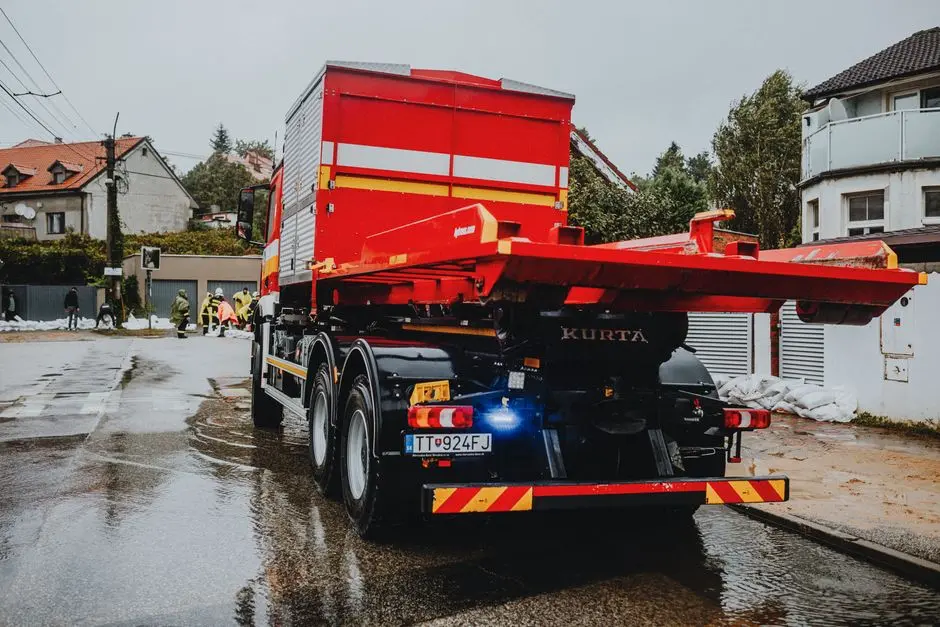
Truck towing can seem daunting if you’re new to it, but with the right knowledge, any driver can feel confident behind the wheel. This blog breaks down the essentials of truck towing so you can hit the road smoothly, whether you’re towing a trailer, camper, or hauling extra gear.
Before you tow, it’s crucial to know your truck’s towing capacity. Check your vehicle manual or the sticker on the driver’s side door jamb. Overloading can lead to accidents or mechanical failure.
Understanding towing capacity is vital for ensuring your safety and the longevity of your vehicle. Towing a load that exceeds your truck’s capacity can put undue stress on the vehicle’s engine, transmission, and brakes, leading to expensive repairs. Moreover, it compromises your control while driving, especially in adverse weather conditions. Consider factors like gross vehicle weight rating (GVWR) and gross combined weight rating (GCWR) when calculating how much you can tow safely.
One helpful tip is to account for all the extras you plan to carry in the vehicle along with the trailer. Things like passengers, luggage, or additional camping gear can significantly add to the weight, impacting the total towing capacity. Keeping your load lighter than the calculated maximum can ensure a smoother and safer ride, and improve fuel efficiency as well.
Hitches come in various styles, including receiver hitches and gooseneck hitches. Each serves a different purpose, so choose one that matches your towing needs.
The most common hitch types you’ll encounter are receiver hitches and gooseneck hitches, but there’s more to it than meets the eye. Receiver hitches are versatile and can be used for towing light to medium loads such as small trailers and boats. They’re also a popular choice because they offer several classes, ranging from Class I to Class V, each with its weight limits and compatibility with different towing accessories.
Gooseneck hitches, on the other hand, are more suitable for heavy-duty towing and are typically used in larger trucks that haul livestock trailers or fifth wheels. The design allows for tighter turns, and greater stability as the weight is centered over the rear axle rather than extended out behind the vehicle. Understanding the distinctions between these hitches ensures you select the best option for your specific situation.
Beyond the hitch, you’ll need equipment like wiring harnesses, brake controllers, and safety chains. These components ensure safe and legal towing.
Wiring harnesses are particularly crucial as they synchronize the trailer’s lighting system with your vehicle. This connection is essential for signaling turns, stops, and to ensure visibility. Without proper signaling, you risk misunderstandings with other drivers, which could lead to accidents.
Brake controllers are another indispensable piece of equipment, especially when towing heavier loads. They link your truck’s braking system with the trailer’s brakes, providing additional stopping power. This helps in maintaining control, especially during emergency braking situations. Make sure your brake controller is set up correctly to ensure optimal performance.
Properly distributing weight in your trailer is key to maintaining control. Aim for roughly 60% of the weight in front of the trailer axle for optimal balance.
Balancing your load is more art than science, but the basics are straightforward. The heavier items should always be positioned low and to the center of the trailer to create a low center of gravity, enhancing stability. Additionally, securing your load with tie-downs will prevent shifting that might cause imbalance or lead to tipping during sharp turns or sudden stops.
Practice good towing habits, such as using your mirrors frequently, allowing extra space for braking, and taking wide turns. These actions help prevent accidents.
Frequent mirror checks enable you to monitor not just the traffic behind you, but any sway in your trailer’s movement, allowing you to adjust accordingly. It’s also crucial to adhere to posted speed limits and avoid heavy braking. Instead, lightly tap the brakes to manage speed and avoid jackknifing.
Taking wide turns retains your trailer’s path within its lane, preventing collisions with curbs, street signs, or other vehicles. Additionally, always double-check the connection between your truck and trailer before departure to ensure everything is locked in place and ready for the road.
Towing with your truck doesn’t have to be overwhelming. By understanding the basics of towing capacity, hitch types, and safe driving practices, you can ensure a successful and safe towing experience. With a bit of preparation, you can tow with confidence and enjoy the journey as much as the destination.