- July 7, 2025
- By
- In Uncategorized
- 98
- 0
When it comes to towing, not all services are created equal. Depending on the type of vehicle and situation, different towing services may be required. In this FAQ blog, we’ll tackle the unique characteristics of heavy-duty towing and how it sets itself apart from other towing services. So, let’s dive in and unravel the specifics of heavy-duty towing!
Heavy-duty towing is specifically designed to handle the transportation of large vehicles and equipment. It involves using robust tow trucks, often equipped with a more powerful engine and towing equipment capable of handling significant weight.
Unlike standard towing services that cater to smaller vehicles, heavy-duty towing requires specialized knowledge and equipment to ensure the safe transport of massive vehicles. This service is indispensable in situations where ordinary towing solutions are insufficient.
The core of heavy-duty towing lies in its ability to tackle the challenges posed by the sheer size and weight of vehicles. Whether it’s a breakdown or an accident recovery, this service is crucial for situations that require robust handling.
Heavy-duty towing is typically used for buses, semi-trucks, trailers, RVs, and other oversized vehicles. These vehicles exceed the capabilities of regular towing, thus requiring specialized towing solutions.
In addition to public transport buses and long-haul trucks, heavy-duty towing services also cater to large construction equipment and agricultural machinery. The versatility of these services makes them ideal for industries that rely on heavy vehicles.
Given their size and complexity, these vehicles require a nuanced approach to towing that only heavy-duty services can provide, ensuring minimal risk during their journey to a safe location.
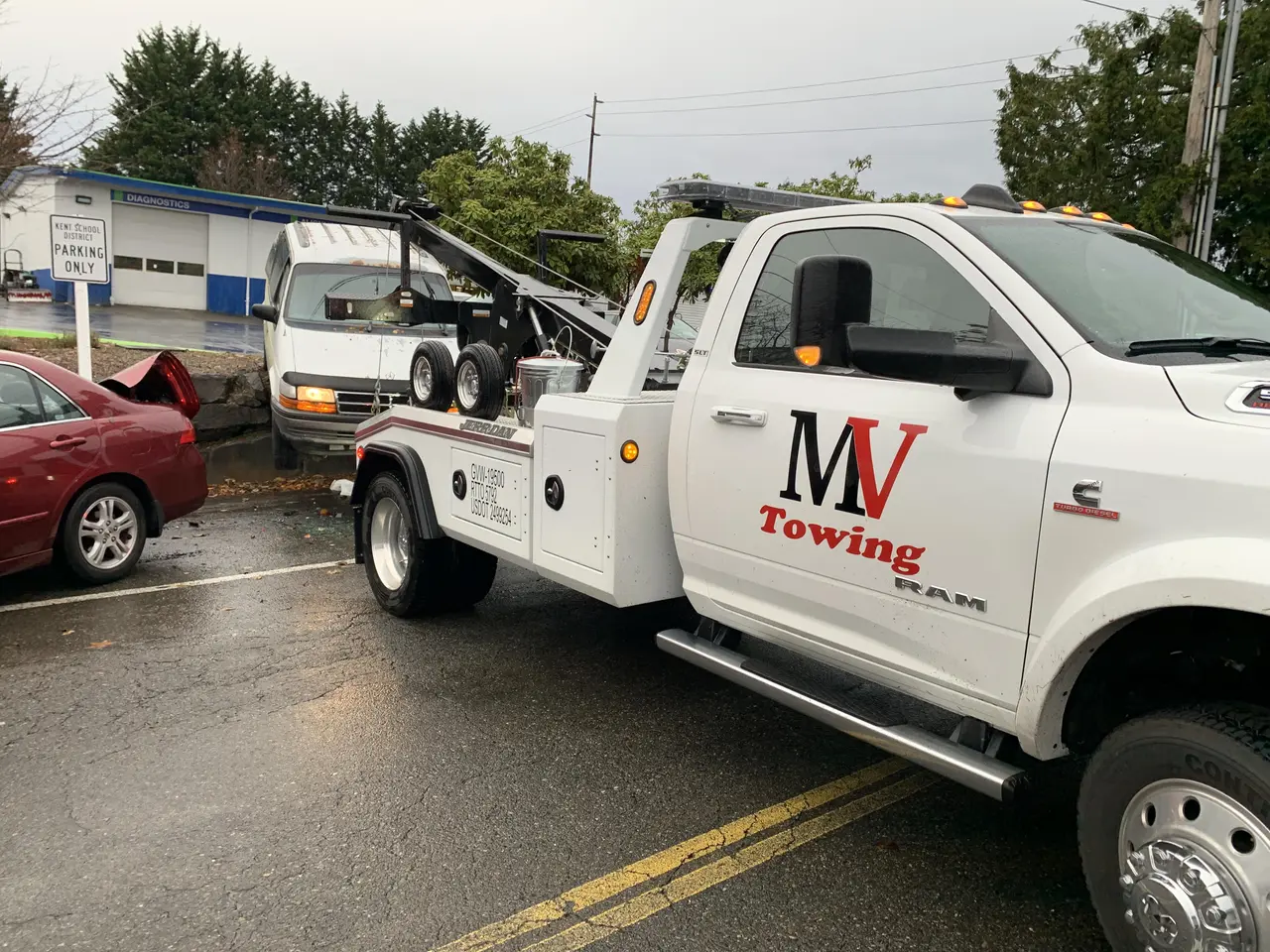
The equipment used in heavy-duty towing includes large cranes, winches, chains, and boom lifts that are tailored to manage substantial weight and size. These tools ensure the safe and efficient transport of large and heavy vehicles.
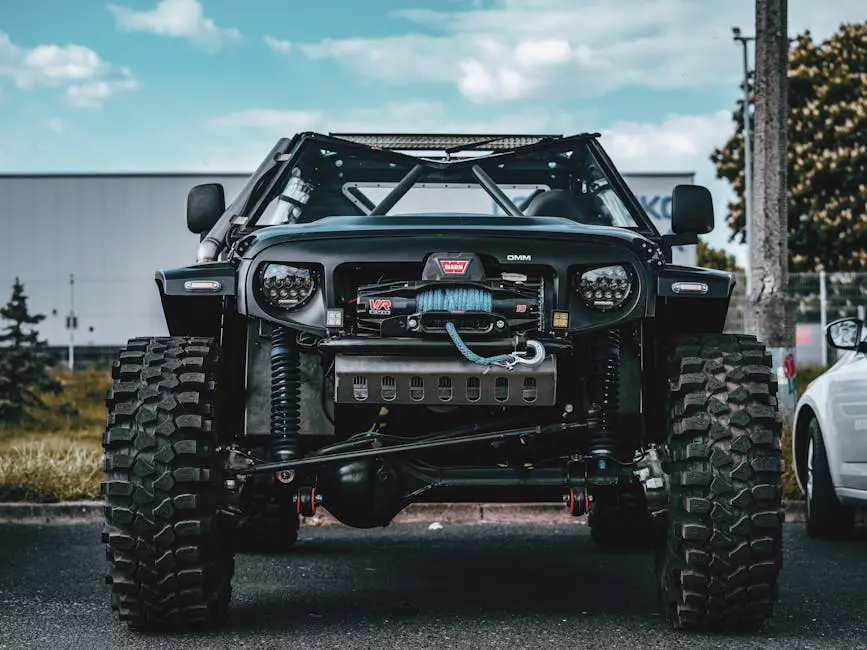
The strength and durability of the equipment are crucial. For instance, winches used in heavy-duty towing are designed to pull immense loads that would otherwise be impossible for smaller, conventional winches.
With innovations like hydraulic technology in use, heavy-duty tow trucks can now lift heavy vehicles with precision and ease. This advancement not only speeds up the towing process but also enhances safety measures.
Operators of heavy-duty tow trucks have specialized training and experience in handling large-scale towing operations. Their expertise ensures that all safety and technical requirements are met during the towing process.
Professionals in heavy-duty towing are adept at assessing the unique challenges presented by each towing scenario, from vehicle weight distribution to securing loads effectively.
This high level of expertise means that drivers and operators are skilled not just in handling vehicles, but also in the intricacies of maneuvering specialized equipment under potentially stressful conditions.
Heavy-duty towing can be more expensive than regular towing due to the complexity and scale of operations, including the need for specialized equipment and experienced professionals.
It’s essential to consider that the higher costs are justified by the level of service and security provided, ensuring that heavy vehicles are transported without risk of additional damage.
Furthermore, the investment in state-of-the-art equipment and ongoing professional training reflects in pricing, making it a premium but necessary option for those in need of such services.
Due to the specialized nature and fewer providers, heavy-duty towing might have different availability and response times compared to regular towing services. It’s important to work with companies that offer prompt service.
While the availability can vary, reputable companies often have a network of heavy-duty service providers ready to respond, minimizing delays even for remote locations.
For businesses heavily reliant on large vehicles, establishing a connection with trusted heavy-duty towing providers can ensure quick intervention and reduce downtime during emergencies.
In summary, understanding the differences between heavy-duty towing and other towing services can make a significant impact when you face a towing situation. Whether it’s handling massive weights, offering specialized equipment, employing experienced operators, or managing long-distance hauls, heavy-duty towing stands out with its unique capabilities. Being informed about these distinctions ensures that your towing experience is as smooth and efficient as possible.