- August 25, 2025
- By
- In Uncategorized
- 113
- 0
If you’ve ever found yourself wondering how heavy-duty towing differs from regular towing, you’re not alone. Let’s dive into what sets these two apart and why it matters.
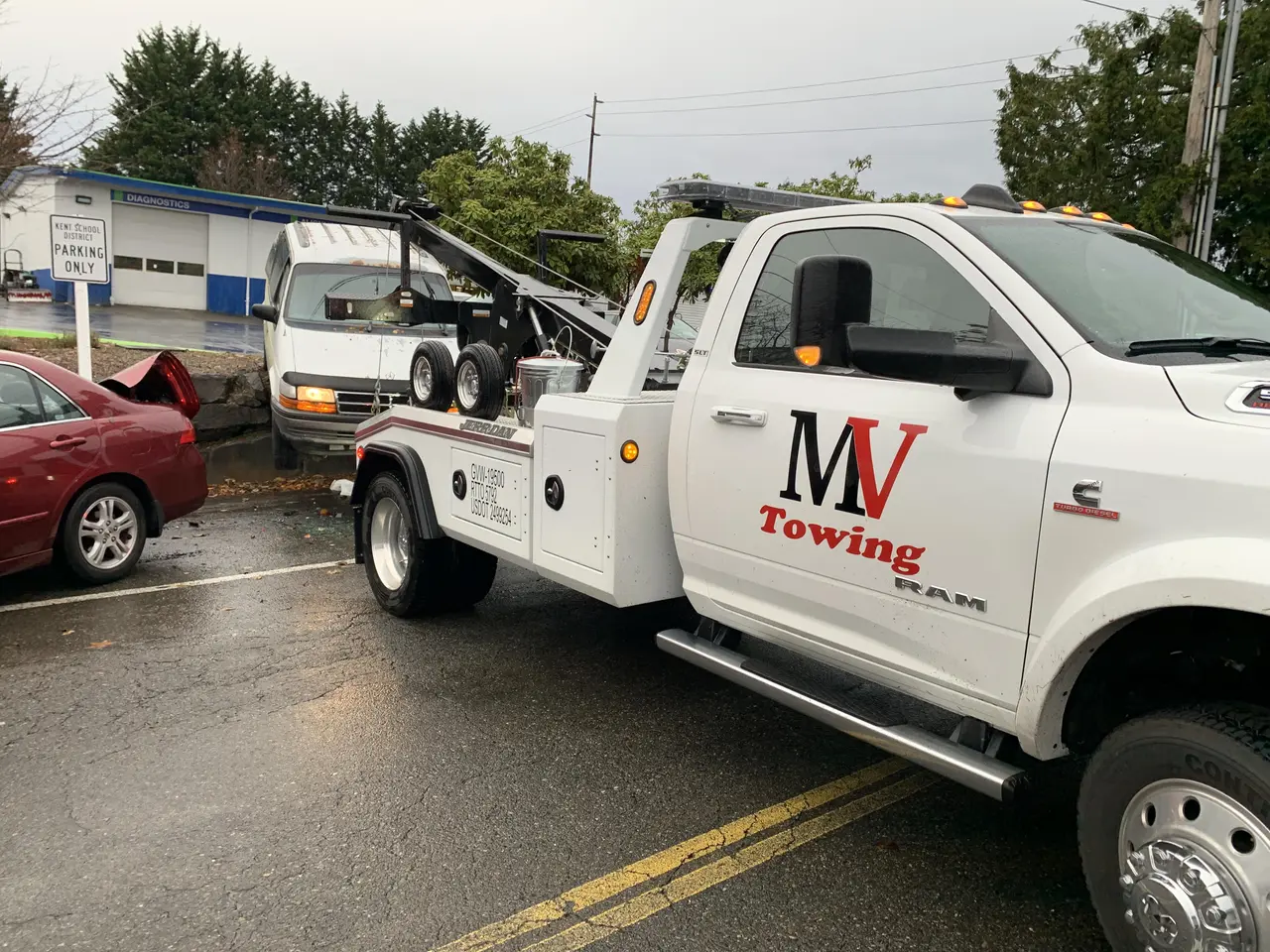
Heavy duty towing is all about handling massive vehicles that exceed the weight and size limitations of standard towing equipment. Imagine needing to transport a large RV or a piece of construction machinery; this is where heavy duty towing comes into play. It’s more than just size; it’s about navigating the complexities of towing vehicles that can weigh over 17,000 pounds. Specialized skills and equipment are crucial here.
For instance, the trucks used in heavy duty towing are equipped with massive booms and winches capable of hauling such weights. This equipment is not just a beefed-up version of regular tow trucks but is designed with modifications to ensure safety and efficacy. Interestingly, these setups often include integrated lift systems as well.
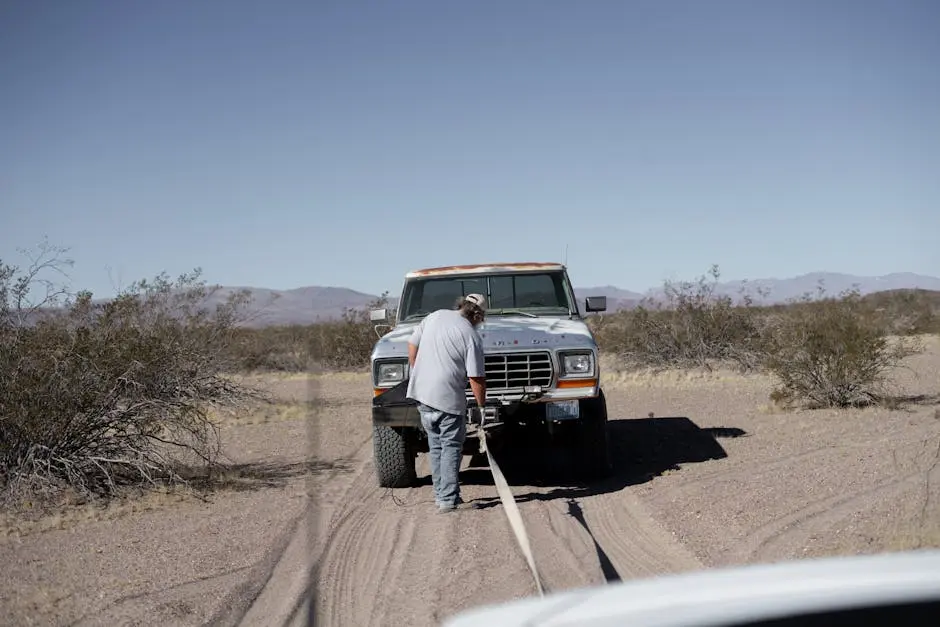
Regular towing involves the transport of personal vehicles, usually in the lightweight to mid-range category. For most of us, when we think of towing, we picture a sedan or maybe an SUV being lifted by a tow truck after a breakdown.
The vehicles used in regular towing may not appear extravagant, but they are highly effective for their purpose. With hook and chain systems or flatbeds, these tow trucks handle vehicles that weigh significantly less than those tackled by heavy duty counterparts. It’s a straightforward operation, suitable for most common road vehicles.
The equipment used in heavy duty towing is specialized and robust. Think of boom cranes and underlift frames, all reinforced to ensure they can withstand the weight of large vehicles. It’s not just about lifting but also about safely transporting these behemoths without causing further damage.
On the other hand, traditional towing setups use tools like wheel lifts and flatbeds. These are versatile for standard cars and light trucks, proving effective for quick and simple tow missions. The difference in equipment is a direct response to the types of vehicles each service needs to cater to.
One fascinating aspect is the technological advancement in towing equipment, which includes telematics and remote systems in heavy duty trucks, enhancing the precision and safety of operations.
Heavy duty towing isn’t just about having the right equipment; it’s about mastering it. Operators undergo rigorous training to handle situations that demand quick decision-making and technical know-how. This includes understanding weight dynamics and vehicle repair basics.
Conversely, the skill set for regular towing, while still requiring certification, usually involves more straightforward protocols. Operators are often required to have a basic understanding of vehicle mechanics and safety protocols essential for everyday towing tasks.
Naturally, with complexity and specialization comes cost. Heavy duty towing services are typically more expensive due to the equipment and expertise involved. Pricing can vary depending on factors such as distance, time, and vehicle condition.
Regular towing is generally more accessible in terms of price, aligning with the standard market for personal vehicle assistance. It’s an economical choice when you need to quickly move a car or similar vehicle without the need for extensive equipment.
Ultimately, choosing between heavy duty and regular towing often boils down to necessity and circumstance rather than budget alone. Knowing the extent of service needed can save time and financial resources.
Understanding the differences between heavy-duty and regular towing can help you choose the right service for your needs. Whether it’s about towing capacity, the type of vehicles used, or cost considerations, being informed will lead to better decisions. When you find yourself in need of towing services, consider visiting our homepage for reliable and efficient solutions.