- August 11, 2025
- By
- In Uncategorized
- 113
- 0

When your vehicle needs a tow, you might find yourself wondering which method of towing is right for your situation. Flatbed towing and traditional towing methods both have their pros and cons. In this FAQ, we’ll take a closer look at these two popular towing options to help you make an informed decision.
Flatbed towing involves using a truck with a flat, open bed to transport vehicles. The vehicle is loaded onto the flatbed with a winch or by driving onto the platform, ensuring the wheels do not touch the ground during transport.
The benefit of this method is that it can accommodate vehicles of various types and conditions. Whether your car has been in an accident or is simply unable to drive due to mechanical issues, flatbed towing can provide a safe and effective transport solution.
Additionally, this method is favored for transporting luxury vehicles, motorcycles, and all-wheel-drive cars. It’s especially valuable for vehicles with limited clearance, as no part of the vehicle needs to be lifted during the towing process.
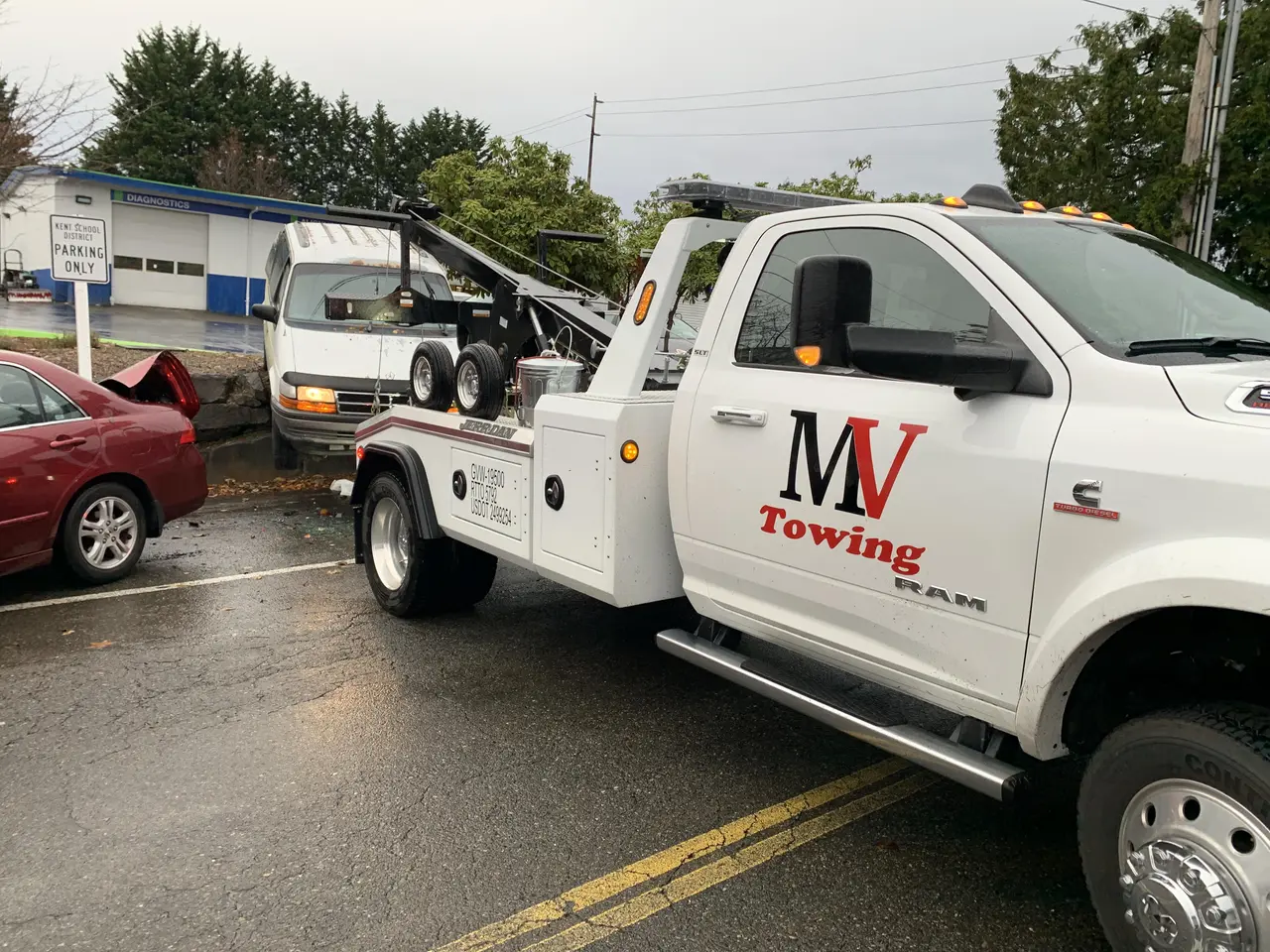
Traditional towing typically involves using a hook and chain or a wheel-lift system to tow a vehicle behind a tow truck. With these methods, the towed vehicle’s wheels make contact with the ground during transport.
The wheel-lift system attaches a yoke under the front or rear wheels, lifting them off the ground and allowing the vehicle to roll on its remaining wheels. This method can be easier to maneuver in tight spaces and is often quicker to deploy.
While practical for many scenarios, it’s worth considering that traditional methods do pose a greater risk of damage to the vehicle’s suspension or tires due to the contact with the road surface.
Flatbed towing offers increased safety, as the vehicle is completely off the ground and secured on the flatbed. This method reduces the risk of damage to the vehicle’s suspension, tires, and transmission.
Many vehicle owners prefer this method when their car is suffering from significant mechanical issues, as none of the components are further stressed. It’s also a preferred choice for transporting long distances or over rough terrains, where tire damage could be exacerbated.
Furthermore, flatbed towing provides flexibility in emergencies, where it may be safer to have the entire vehicle lifted away from potential hazards on the road.
Traditional towing can be more cost-effective and quicker for short distances. It is also a viable option when you don’t have a flatbed truck available or when towing lighter vehicles.
In urban areas, traditional towing might be more practical given the often limited access and parking constraints. With its simpler hook-up, it provides a quick fix especially when the need for towing isn’t due to mechanical failure, such as illegal parking removals.
One potential drawback is that flatbed trucks may cost more due to their complexity and capacity. They might also be less accessible in certain remote or congested areas compared to traditional tow trucks.
Moreover, the size of a flatbed truck can make maneuvering through narrow streets or tight parking lots challenging. This limitation can potentially delay the towing process and increase costs in places where accessibility is a concern.
Despite these drawbacks, many still opt for flatbed towing for its enhanced security and reduced risk of damage during transport, particularly for higher-value vehicles.
Both flatbed towing and traditional towing methods have their place in vehicle recovery. While flatbed towing offers superior safety and versatility, traditional towing can be a cost-effective solution for certain situations. Understanding your vehicle’s needs and the circumstances will guide you in choosing the best towing method.