- September 15, 2025
- By
- In Uncategorized
- 103
- 0
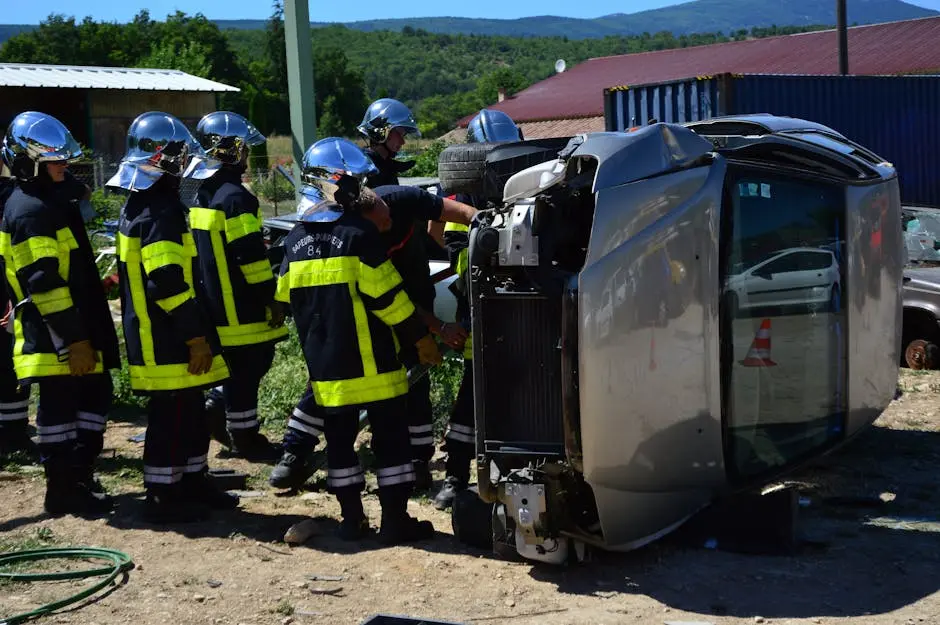
Being involved in a collision can be a nerve-wracking experience. While waiting for help to arrive, it’s crucial to stay calm and keep yourself safe. Here are some practical tips to ensure your safety as you wait.
If possible, move your vehicle to the side of the road or a safe location nearby to avoid further accidents and reduce the risk of blocking traffic. This not only helps flow but also ensures that emergency services have clear access to the scene. Be sure to assess the surroundings as you move; avoid any areas that seem unstable or unsafe. If moving the vehicle isn’t possible, stay inside while ensuring your safety measures, like hazard lights, are active. Remember, the goal is to prevent any additional harm or complications while waiting for professional help.
Beyond moving the vehicle, it’s equally important to move yourself to a safe location if you’re outside the car. Relocate to a spot away from moving traffic, ideally behind a barrier or up on an embankment. This simple step can significantly lower the risk of injury from passing vehicles, especially on busy roads and highways.
Use your vehicle’s hazard lights to signal to other drivers that there’s an issue. This will alert others to approach with caution and help prevent additional collisions. Hazard lights are a crucial tool in communicating non-verbally with other drivers, indicating that they should be alert and may need to slow down or change lanes. If your vehicle is inoperable, consider using reflective triangles or road flares from your emergency kit to supplement the alert, particularly if visibility conditions are poor.
Unless it’s safer outside, remain in your vehicle with your seatbelt fastened. This offers protection until emergency services arrive. Vehicles are designed to withstand impacts, and staying inside could shield you from external elements, debris, or erratic drivers who may not notice a stopped car in time. If there’s any threat of fire or smoke, quickly assess the safest option between staying in or exiting the vehicle, and act accordingly. Always evaluate the ongoing situation to determine the safest course of action.
Contact emergency services immediately to report the collision and receive guidance on what to do next. Provide them with accurate details of your location and the situation. This ensures they can assist you as effectively as possible. While waiting for them to arrive, consider also contacting a trusted roadside assistance service if available. Keeping emergency contact numbers pre-saved in your phone can make this step quicker and less stressful in an urgent situation.
In cases where you may not have a clear assessment of your location, use the GPS on your phone, if available, to inform rescue services of your precise coordinates. Sharing your location enables faster response times when every second counts during emergencies.
Stay calm and avoid any confrontations with others involved. Focus on safety rather than assigning blame or engaging in arguments. Tensions can rise quickly after an accident, but conflict resolution should not be attempted at the scene. Instead, note important details quietly, such as license numbers and driver information, which can assist later on. Emotional exchanges can escalate dangerous situations; maintaining composure is crucial for everyone’s safety. It can help to practice deep breathing or grounding techniques to stay centered and calm.
If you have a high-visibility vest, wear it to make yourself more visible to other drivers. This can reduce the risk of being struck by passing traffic. High-visibility clothing is particularly important in low-light conditions such as fog, rain, or at night. Always keep your movements slow and calculated to avoid startling or confusing drivers. Position yourself in illuminated areas, leveraging street lighting when possible, to enhance visibility and safety further.
In the absence of a vest, use a flashlight or your phone’s light to signal your presence to approaching vehicles. Well-lit individuals are much harder to overlook, thus ensuring greater safety.
Keep a basic emergency kit in your vehicle that includes items like a first aid kit, flashlight, and reflective triangles to assist while waiting for help. In addition to basics, stock the kit with a blanket, non-perishable snacks, and bottled water in case you’re stuck for extended periods. Consider adding personal medications and a backup phone charger, ensuring your ability to communicate and remain comfortable in uncertain conditions.
Regular checks of your emergency preparedness kit can save you from unnecessary stress during a collision. An organized and up-to-date kit is indispensable, presenting a greater sense of confidence and readiness in handling emergencies.
Keep your phone charged and maintain communication with family or friends to update them on your status and location. It not only reassures loved ones but also helps coordinate additional assistance if needed. Establishing a line of communication with authorities is imperative, especially if the accident occurs in a secluded or risky area. Avoid using social media to share intimate details, keeping communications restricted to those who genuinely need the information.
Listen to local news or traffic updates on the radio for information on the situation and road conditions. News updates can also inform you about alternative routes for when you are safe to drive again. While many may find it tempting to focus on mobile applications, a radio is less reliant on strong signal areas and usually provides faster regional updates. Knowing what’s happening around you gives insight and foresight into the duration and nature of your wait.