- September 5, 2025
- By
- In Uncategorized
- 108
- 0
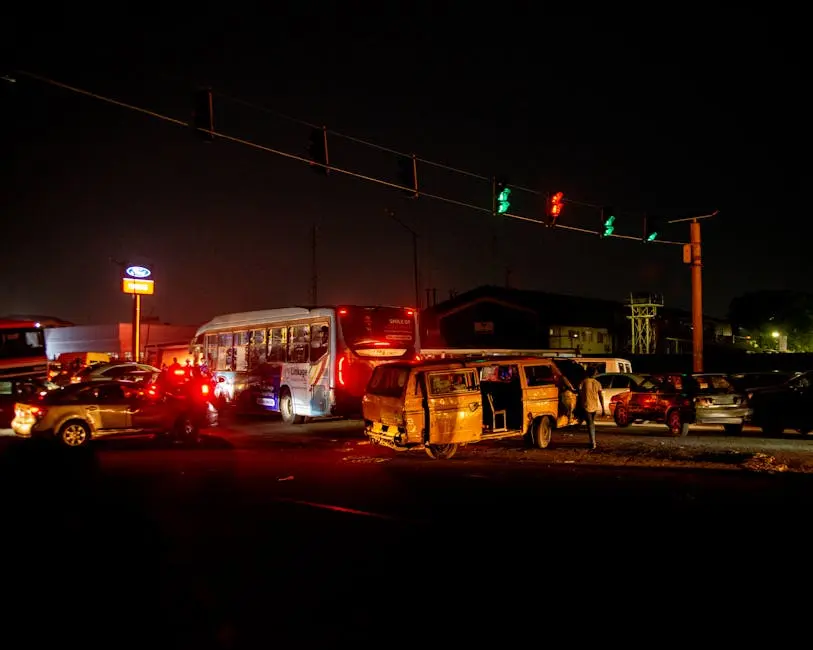
Vehicle collisions are a major concern on roadways today, leading to significant injuries and fatalities each year. Understanding the common causes of these accidents is the first step towards preventing them. In this blog, we’ll explore some of the most frequent reasons behind vehicle collisions and provide practical tips on how to avoid them, ensuring a safer driving experience for everyone.
Distracted driving is one of the leading causes of vehicle collisions. Whether it’s texting, eating, or adjusting the radio, taking your attention off the road for even a few seconds can lead to disastrous results. Focus on driving, keep your hands on the wheel, and save other tasks for when you’re safely parked.
Many drivers underestimate the danger of distracted driving, thinking it won’t happen to them. In fact, using a cell phone while driving increases the risk of getting into an accident by four times. Simple actions like stowing electronics away, setting up GPS before starting the trip, and pulling over if you need to make a call are easy ways to keep distractions at bay.
Surprisingly, many collisions occur within just a few miles of one’s home due to complacency and overconfidence in familiar settings. It’s essential to treat every drive, short or long, with full attention and awareness. In today’s fast-paced world, staying focused on the road can be a challenge, but it’s crucial for the safety of everyone on the road.
Speeding not only increases the likelihood of a collision but also amplifies the severity of an accident when it does occur. Staying within speed limits allows for better control of your vehicle and more time to react to sudden changes on the road.
Excessive speed limits your ability to navigate curves, stop in time, and is especially dangerous in adverse weather conditions. It’s important to remember that speed limits are set with safety in mind, not as a suggestion. Consistently adhering to these limits plays a significant role in maintaining road safety.
Consider the psychological factors behind speeding: the thrill and adrenaline may be enticing, but weighing these against the potential consequences—a collision, injury, or worse—is essential for responsible driving.
Alcohol and drugs impair judgment and reaction times, making driving under the influence incredibly dangerous. Always plan ahead and designate a sober driver if you intend to consume alcohol, or use alternatives like ridesharing services to get home safely.
Many people are unaware that even legal drugs, such as prescription medications and over-the-counter cold medicines, can impair driving capabilities and lead to dangerous outcomes. It’s important to read labels and understand potential side effects before getting behind the wheel if you’ve taken any kind of medication.
Bad weather, such as rain, snow, or fog, can make driving challenging and increase the risk of accidents. Reduce your speed, increase following distances, and ensure your vehicle is equipped with appropriate tires to handle adverse weather conditions comfortably.
Beyond just following common safety tips, it is also valuable to have an emergency kit in the car that includes essentials like a flashlight, blankets, and snacks, should you find yourself stuck in severe weather conditions. These simple preparations can make a big difference when the weather takes an unexpected turn.
Driving too close to the vehicle in front of you, also known as tailgating, reduces your reaction time in an emergency. Maintain a safe following distance to give yourself ample time and space to maneuver should the vehicle ahead make sudden stops.
The general rule of thumb is to keep a distance of at least three seconds behind the vehicle in front under normal conditions and more in poor weather or heavy traffic. Recognizing the dangers of tailgating highlights the importance of patience and the need to stay calm while driving.
Running red lights and ignoring stop signs are reckless behaviors that often lead to serious collisions. Obey all traffic signals and signs to ensure a smooth and safe journey for you and other road users.
Traffic signals are designed to manage the flow of vehicles and prevent accidents. Disregarding them can result in severe collisions, lengthy traffic jams, or even fatalities. Respecting these signals is not only about following the law but keeping the roads orderly and safe for everyone.
By recognizing the common causes of vehicle collisions and taking proactive steps to avoid them, drivers can significantly reduce their risk of accidents. Practicing safe driving habits, staying attentive, and always being prepared for unexpected road situations will not only protect you but also ensure the safety of others on the road. Remember, safety is a shared responsibility, and each of us plays a vital role in making our roads safer. For more safety tips and resources, visit our homepage.