- September 12, 2025
- By
- In Uncategorized
- 92
- 0
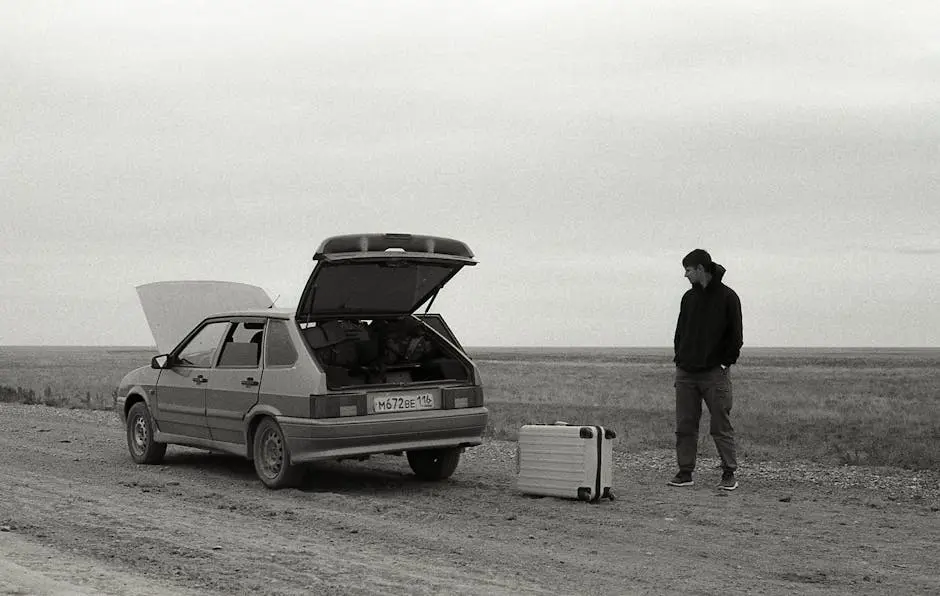
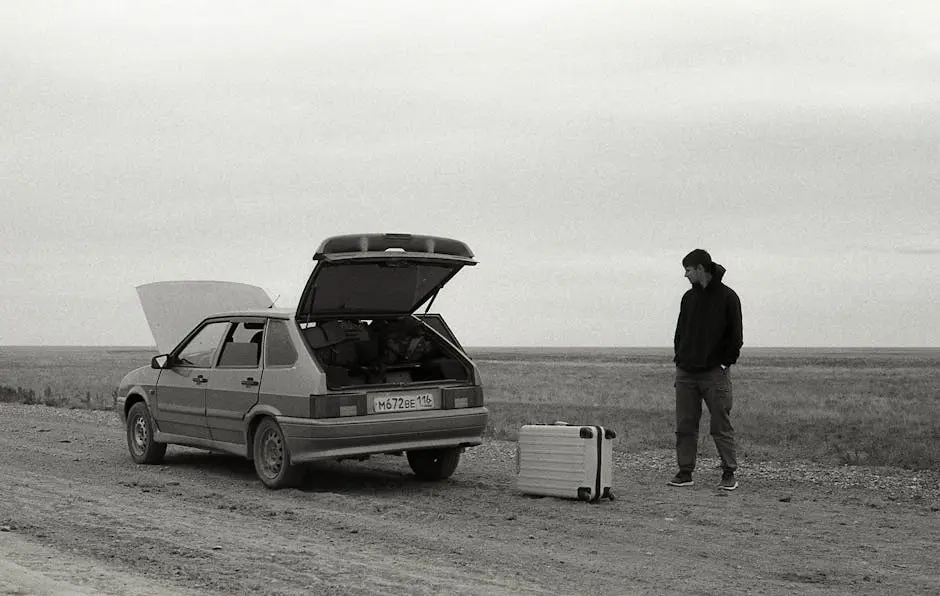
Breaking down on the road can be a daunting and frustrating experience. However, being prepared and knowing how to handle the situation can make all the difference. In this guide, we will explore practical tips to help you stay calm and navigate your way safely when your vehicle breaks down.
The first moments after a breakdown are crucial for your safety and that of other road users. Turn on your hazard lights to alert others, carefully steer your vehicle to a safe location, and avoid staying inside the car if it’s unsafe. In addition to moving the car to a safer spot, remember to set up your reflective emergency triangles if traffic around you is fast-moving. Doing these basic actions not only signals your trouble to passing drivers but also keeps both you and them safer. Furthermore, making a habit of checking these tools regularly can ensure they are ready when you need them. Staying alert and proactive protects everyone involved.
In case your car breaks down during the daytime, the process is a bit simpler than at night. Still, prioritizing safety is a must. Open the hood to signify that your vehicle is broken down. This can also help you locate any visible problems under the hood, such as loose connections or leaks that might be contributing to the breakdown. Void of obvious faults and inability to restart, attempt the alternative of contacting a professional. If you’re unsure about the steps to inspect your vehicle, consider watching quick breakdown inspection videos before any long journeys to familiarize yourself with basic procedures.
Sometimes breakdowns can happen in less than ideal locations, such as during a rainstorm or extreme temperatures. It’s essential to stay informed about how best to protect yourself in these situations. Dress appropriately for the weather to reduce risks if you must exit your vehicle. Bringing an umbrella, poncho, or additional warm clothing in your emergency kit can be invaluable during these times. You may also want to consider investing in a battery-powered fan or heater. Understanding what additional precautions to consider during severe weather, like not waiting in a running vehicle if you must leave it idle, can be lifesaving. Stay updated with weather reports especially before embarking on long trips to prevent being caught off guard.
While waiting for help, make sure you and your passengers are safe. This might include staying behind a barrier, especially if you’re on a busy highway, and avoiding unnecessary risks. Carrying a high-visibility vest and a flashlight can also enhance your safety. If it’s dark, use a flashlight, and if waiting outside the vehicle is necessary, put on your high-visibility vest, so that drivers can clearly see you from further distances. Such precautions significantly reduce the danger of accidents while you’re on the roadside.
Remaining calm while stranded can be challenging, but it’s critical. Keep your mobile phone charged to ensure you can call for help and make emergency calls if needed. Sometimes, waiting for help can stretch longer than initially anticipated. Taking pre-emptive steps like having a book, music, or some other form of offline entertainment handy can make the wait more bearable and help reduce stress levels. If traveling with children, packing travel-friendly toys or games will keep them engaged and maintain the overall temper of the situation. Consider investing in portable phone chargers so you’re always connected.
Knowing and communicating your exact location can speed up the assistance process. Use mile markers, maps, or smartphone apps to accurately relay your position to breakdown services or emergency contacts. GPS-based applications make this task straightforward by providing real-time location data that can then be forwarded to tow services. Apps developed specifically for breakdown situations can enable users to send out alerts either by phone services or via an active internet connection, which is crucial when stranded in remote areas where traditional networks might fail.
Beyond relying on technology to pinpoint your location, familiarize yourself with noting landmarks, notable signage, or intersections as a backup. This can prove useful, especially in places with weak GPS signals or in bustling cities where service providers may require more details to navigate busy roads swiftly. Develop a habit of glancing at street names or notable buildings as a mental note during your drive. Additionally, emergency services equipped with paper maps prove far more beneficial for first responders in areas unfamiliar to technology due to topology.
Having a well-stocked emergency kit in your car is vital. Include items such as a first-aid kit, water, non-perishable food, and basic tools. These supplies can make a significant difference while you wait for help to arrive. It’s a good practice to tailor these emergency supplies based on the climate and terrain typical of your routes. For example, ice scrapers and sand might only make sense for cold climates, whereas extra water and shade would be imperative for desert-like areas. Consider checking resources like state-specific travel advisory sites for additional insights on suitable items for your travel region.
In addition to the basic necessities, having spare phone chargers, flashlights with extra batteries, and a multitool ready can transform certain difficult situations into manageable ones. Every small preparation today contributes to much larger benefits tomorrow. Stow away important documents such as insurance papers and membership details for both national and international road assistance programs. Protective gloves and rain gear play a huge role in minimizing exposure to elements while attempting small repairs.
Consider exploring deep into sustainable options for emergency supplies too. Reusable water bottles, multi-function solar chargers, and biodegradable soaps align with eco-friendly goals while ensuring you’re equipped to deal with unexpected events. Emphasizing on recycled packaging or using refurbished tools to equip your kit not only aids the environment but also provides cost-effective solutions. Remember, an emergency kit reflects a true understanding between preparedness and resourcefulness under unpredictable circumstances.
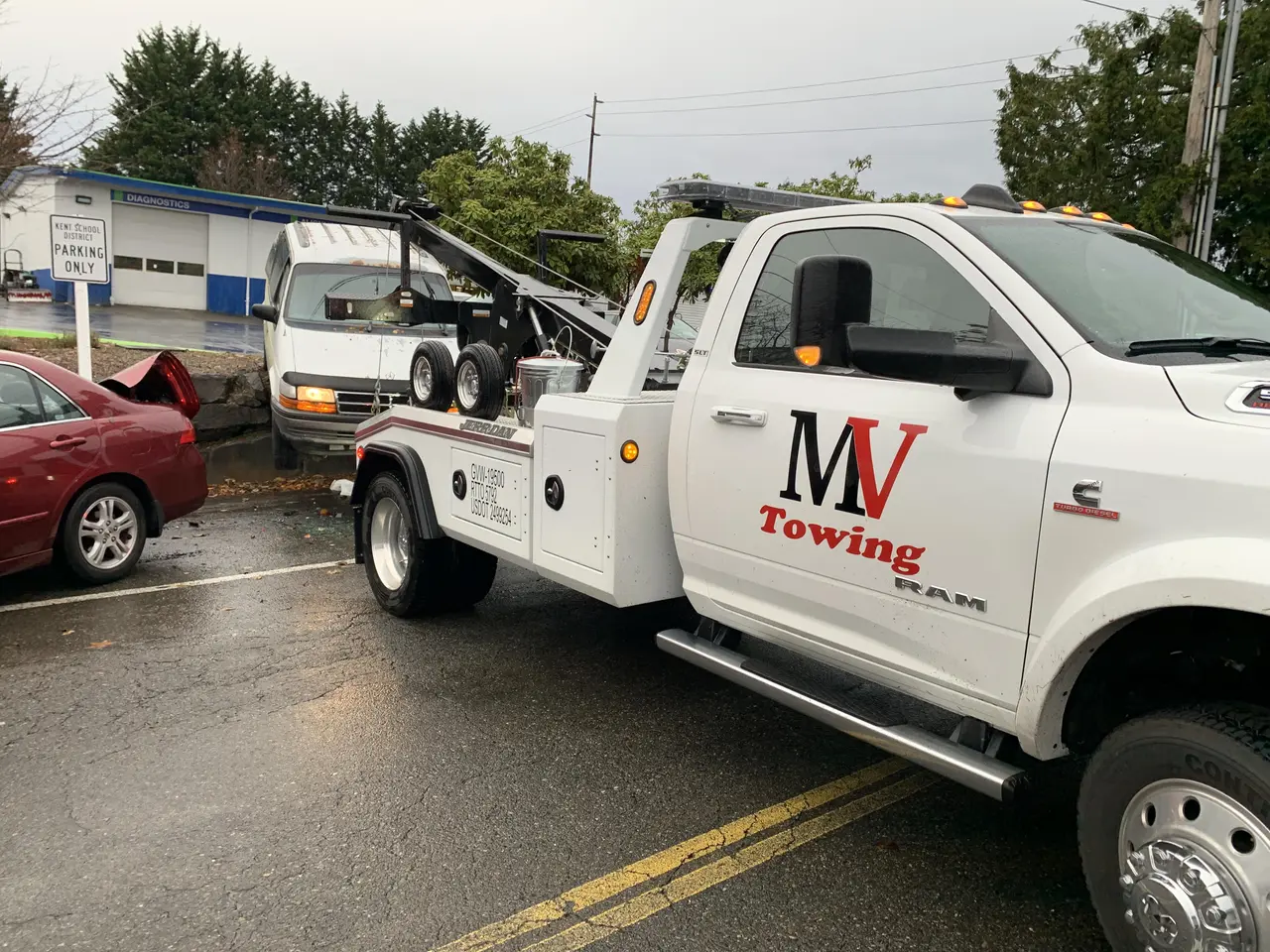
Not all breakdowns can be fixed on your own. Recognizing when to call a tow service or roadside assistance can prevent further damage to your vehicle. Trust your instincts if something feels beyond your expertise. Often, attempting repairs without appropriate knowledge or tools could exacerbate vehicle issues, making professional service even more costly later on. Liaise with towing services through dependable platforms like local accredited auto-service networks which are known for swift action and verified credentials against possible auto damage post-breakdown.
A myriad of signs indicate when professional help is necessary — odd engine noises, persistent warning lights, or out-of-the-norm vehicle responses such as overheating. These symptoms require immediate expertise to avoid irreparable harm. Stay aware of which maintenance tasks you can confidently perform versus those that need expert handling. Websites offering vehicle-specific data through model diagnostic search engines can guide you well in spotlighting issues but always err on the side of safety when uncertain around mechanistic repairs.
Experiencing a vehicle breakdown is never convenient, but by staying calm and prepared, you can manage the situation more effectively. Always remember to prioritize your safety, have a plan, and utilize your resources efficiently. By following these guidelines, you’ll be back on the road in no time, ready to tackle whatever comes your way.