- October 13, 2025
- By
- In Uncategorized
- 111
- 0
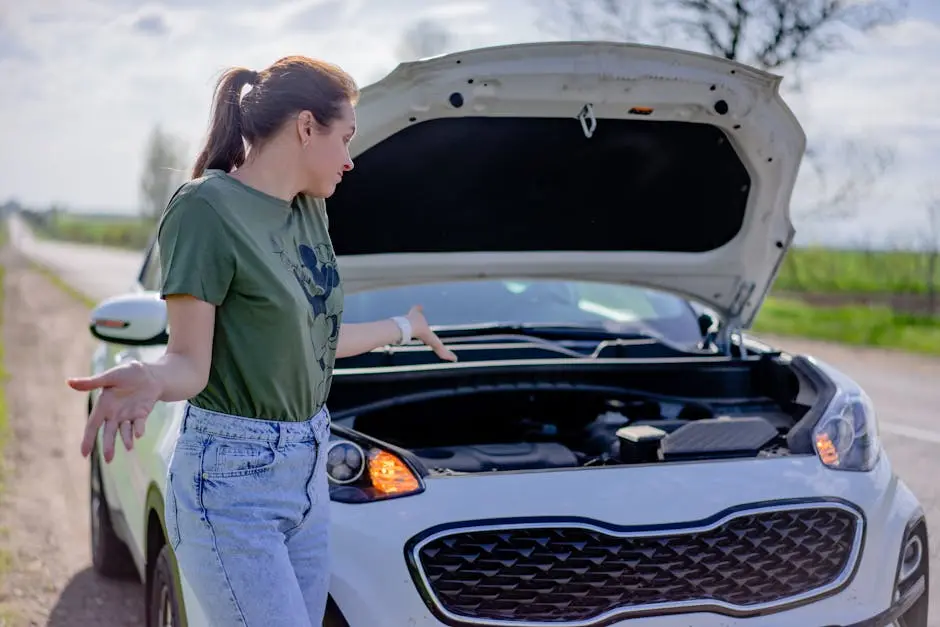
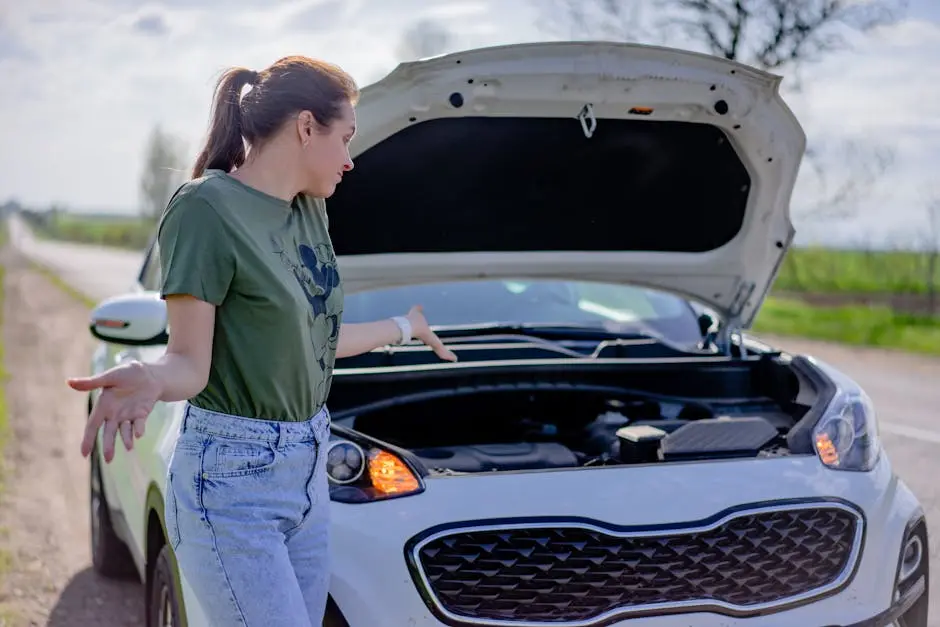
Breaking down on the road can be a driver’s worst nightmare. But worry not, as we’re here to guide you through some of the most common breakdown scenarios and provide practical advice on how to handle them with confidence and ease.
A flat tire can occur without warning, often caused by a stray nail or gradual wear that goes unnoticed. Once you realize your predicament, it’s important to find a safe spot to pull over. If you’re confident in changing the tire yourself, make sure to activate your hazard lights and apply the handbrake before attempting any repairs. Having a basic roadside emergency kit at hand can make this process smoother. However, if the task seems daunting or you’re in a dangerous area, calling for roadside assistance is your best bet.
Engine overheating is a pressing issue that can stem from faulty thermostats, coolant leaks, or a failed radiator. The first sign is usually the temperature gauge climbing into the red zone, sometimes accompanied by steam from under the hood. Don’t panic—immediately turn off the air conditioner, open the windows, and turn on the heater to help disperse excess engine heat. Pull over safely and allow the engine to cool before checking the coolant levels. Remember, never open a hot radiator cap!
To avoid repeated episodes of overheating, regular maintenance checks are essential. Keeping an eye on coolant levels and ensuring the radiator is functioning properly could save you a tow truck bill. Sometimes, the problem might be as simple as a blocked radiator hose, which can be cleaned quite easily. However, if the issue persists, it’s wise to seek a professional mechanic to inspect your vehicle thoroughly.
Imagine this: you’re late for work, and the car just won’t start—classic signs of a battery failure. The good news is, with a set of jumper cables and a helpful motorist nearby, you can get back on track quickly. Connect the cables in the correct order, starting with the positive terminals, and then attempt to start your car. Once it’s running, keep the vehicle idling for a while to let the alternator recharge the battery.
To prevent unexpected battery woes, it’s advisable to perform regular battery checks. Look out for corrosion on the terminals and ensure the battery is securely mounted. Keeping it in healthy condition can avoid those impromptu jumper cable exercises. And remember, extreme temperatures, whether hot or cold, can expedite battery failure, so plan your storage and usage accordingly.
A brake malfunction, such as a severe loss of braking power or strange noises while braking, can be a terrifying experience. If you discover your brakes aren’t working efficiently, shift to a lower gear to slow down naturally and apply the handbrake gradually to avoid skidding. It’s imperative to stop driving and seek professional help, as brake failure is a serious hazard.
Regular brake system maintenance is non-negotiable. Ensure there’s sufficient brake fluid and that the brake pads are not worn out. Strange noises, such as grinding or squealing, should be investigated immediately as they are often indicative of issues with the brake pads or rotors. Taking preventative measures can save you from future scares and keep both you and other road users safe.
Transmission issues are among the more complex car problems, often manifesting as difficulty in changing gears or unusual sounds from the gearbox. Low transmission fluid levels can exacerbate this issue, causing overheating or gear slips. It’s advisable to check and maintain your transmission fluid levels regularly.
More severe symptoms, such as the inability to switch gears, usually require professional diagnostics. Consult a mechanic promptly to prevent further damage. Avoid forcing the gears to change as it can only worsen the situation. Remember, imposing too much strain on a failing transmission can lead to costly repairs or, worse, a full replacement.
Running out of fuel seems like an easily avoidable scenario, yet it can happen when gauge malfunctions or fuel leaks occur. Keep track of your fuel gauge regularly and look out for warning lights indicating low fuel. If you suddenly find your vehicle sputtering and stalling, it might be a clogged fuel filter or a failing fuel pump.
It’s beneficial to familiarize yourself with the symptoms of fuel system problems. Listen for unusual engine sounds or pay attention to any difficulty in starting the vehicle. These are indicators that your fuel system may need attention. Regularly replacing the fuel filter and maintaining your fuel tank’s cleanliness can prevent these issues from cropping up unexpectedly.
The alternator plays a critical role in maintaining your vehicle’s electrical system. It’s responsible for charging the battery and powering the electrical systems while you drive. A common sign of alternator problems is the battery warning light on the dashboard. Flickering interior lights or struggling power windows are also indicators.
If you suspect alternator issues, it’s important to act quickly. Check the belt tension and condition because a loose or worn belt can prevent the alternator from working properly. It’s advisable to have your alternator checked during regular maintenance checks to avoid unnecessary surprises.
When your car refuses to start, yet the battery seems fine, it might be a starter motor issue. Listen for a clicking sound when turning the key; this is a common sign. Sometimes, gently tapping the motor with a tool can provide a temporary fix by freeing any stuck gears, but a long-term solution involves professional repair.
Understanding your starter system can prevent future headaches. Routine maintenance, like cleaning terminals and ensuring proper cable connections, can extend the starter motor’s life. If the issue persists despite these measures, it might be time to replace the motor to ensure your vehicle’s reliability.
For those driving manual transmission vehicles, staying alert to clutch issues is crucial. Signs like slipping gears, difficulty in changing gears, or a burning smell often signal clutch wear. If ignored, these can lead to complete clutch failure, leaving your car undrivable.
Regularly checking clutch fluid levels and listening for unusual sounds can prevent clutch issues. In case of wear, timely replacement of worn components is necessary. Sometimes, adjusting the clutch pedal’s position can also help prolong its durability and efficiency.
Electrical system failures can range from blown fuses to malfunctioning headlights. Such issues might seem minor initially, but they can lead to more significant problems if left unattended. A quick fix involves replacing fuses and checking for any disconnected wiring.
Utilize diagnostic tools or visit a professional to identify the root of the issue when simple fixes don’t work. Regularly inspecting the vehicle’s wiring and replacing damaged cables can prevent electrical issues. Being proactive ensures that flickering lights or unresponsive accessories don’t catch you off guard.
Cooling system failures often manifest as engine overheating, requiring immediate attention to prevent engine damage. Leaks or blockages in the cooling system often cause these hiccups. Inspect hoses and the radiator for signs of leakage or damage.
Thermostat failures, though less common, can also cause significant disruptions. If your vehicle seems to overheat frequently, despite having enough coolant, a thermostat check might be in order. Regular maintenance and keeping your cooling system clean can nip these issues in the bud.
Exhaust system issues can cause performance problems and even affect your health if not addressed promptly. Listen for unusual noises or vibrations when accelerating, as these might indicate exhaust leaks or component failures.
Regular inspections help in identifying problems like rust or damaged hangers, which can cause the exhaust to drag or detach. If you smell exhaust fumes inside your vehicle, take immediate action as this can lead to carbon monoxide poisoning. Practicing regular maintenance ensures your vehicle’s emission system remains compliant and safe.