- September 7, 2026
- By
- In Uncategorized
- 29
- 0
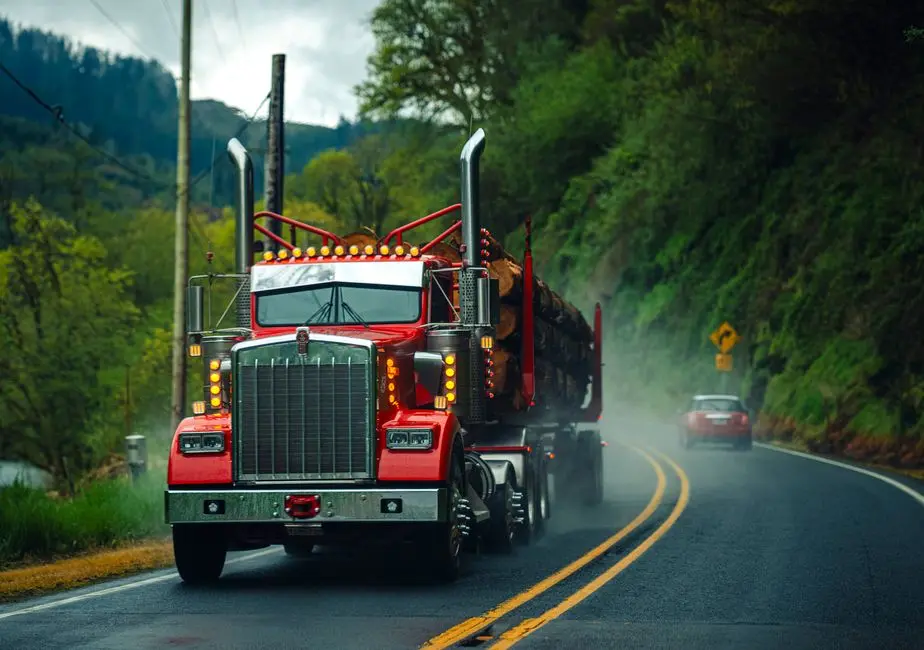
When it comes to towing big rigs, safety is the top priority. Whether you’re a seasoned driver or a newbie in the world of heavy-duty towing, understanding and implementing essential safety measures is crucial. In this guide, we will explore key precautions and best practices to ensure a smooth and secure towing experience for both you and your cargo.
Before you hit the road, always perform a thorough inspection of all towing equipment. This includes checking the hitch, trailer connections, and tires for any signs of wear or damage. Hitch inspections are crucial, as any loose connection can lead to disastrous detachment, jeopardizing the entire towing process. Examine the trailer connections, ensuring they are tightly fitted and the locks are secure. Pay attention to the wiring, ensuring that all electrical connections are intact and functioning.
Tires are another critical component that require diligent inspection. Look for tread wear and ensure they are inflated to the recommended levels. Properly inflated tires help in carrying the load smoothly and prevent unnecessary blowouts during transit. Also, don’t forget to check the spare tires; they should be in good condition and ready for use. A complete inspection keeps your big rig safe on the road and extends the equipment life, reducing costly downtime.
Knowing and respecting the load limits of your towing vehicle and trailer is essential for preventing accidents and equipment damage. Overloading your rig not only puts excess strain on the vehicle but also increases the risk of tipping and brake failure. Always adhere to the manufacturer’s guidelines for load capacity. This involves considering the gross vehicle weight rating (GVWR) and the tongue weight, ensuring these numbers are not exceeded. Understanding these limits protects the vehicle’s structure and maintains a harmonious balance, crucial for smooth towing across diverse terrains.
Many towing accidents occur due to disregard for load limits. It’s crucial to know that exceeding these limits doesn’t just void warranties but can also lead to severe legal repercussions. It’s always better to err on the side of caution by verifying your load with reliable scales. Educating yourself and your team on these statistics fosters a culture of safety and responsibility. Remember, safe towing is responsible towing; never compromise on load limits.
Properly securing cargo is vital to prevent shifts that could lead to imbalance or accidents. Use appropriate straps and checks to ensure everything is tightly secured. Cargo movement within the trailer can affect the handling of the rig and potentially lead to rollovers. Utilize high-quality ratchet straps, chains, and anchors that are rated for the weight and type of cargo you’re towing. Double-check that these fasteners are tightly locked and not frayed or damaged.
In addition to using the right equipment, ensure that the cargo’s weight is distributed evenly across the axle. Uneven weight distribution can destabilize the towing apparatus, leading to roadway hazards. Use skids or pallets to align the cargo and further secure it against sliding. Consider the space around your cargo, aiming to minimize movement. Regularly check the tension of your securing devices throughout the journey to accommodate for any adjustment needed due to road conditions. Your conscientious efforts in securing cargo play a key role in ensuring everyone’s safety on the road.
Ensure your brake systems are functional and responsive. Regular maintenance is necessary to avoid brake failure during towing operations. Big rigs require robust braking systems to manage the enormous weight of both the vehicle and its load. Conduct routine inspections of the brake pads, rotors, and callipers. Listen for unusual sounds when applying brakes, as these can indicate pad wear or other issues.
Consider the use of more advanced braking systems like air disc brakes or those with anti-lock capabilities, which provide better performance on slippery roads. Also, pay attention to the brake fluid levels and look for any leaks in the system. In case of any doubt, it is always better to consult a professional mechanic to ensure that your brakes are in peak condition. Regular checks and timely interventions can significantly decrease the chances of brake-related incidents, ensuring smoother and safer drives.
Maintaining the correct tire pressure ensures stability and prevents blowouts, which are common risks during heavy towing. Regularly check pressure levels using a reliable gauge. High or low pressure levels can lead to premature tire wear and impact the vehicle’s fuel efficiency, making towing more expensive and increasing the chance of tire failure.
Monitoring also involves visual inspections for any signs of damage like cuts, punctures, or bulges. It is crucial to adjust tire pressure to suit the load and driving conditions. Remember that extreme weather conditions can also affect tire pressure, necessitating more frequent checks. By ensuring tires are well-maintained, you not only extend their life expectancy but also increase the overall safety of your towing operations.