- July 14, 2025
- By
- In Uncategorized
- 179
- 0
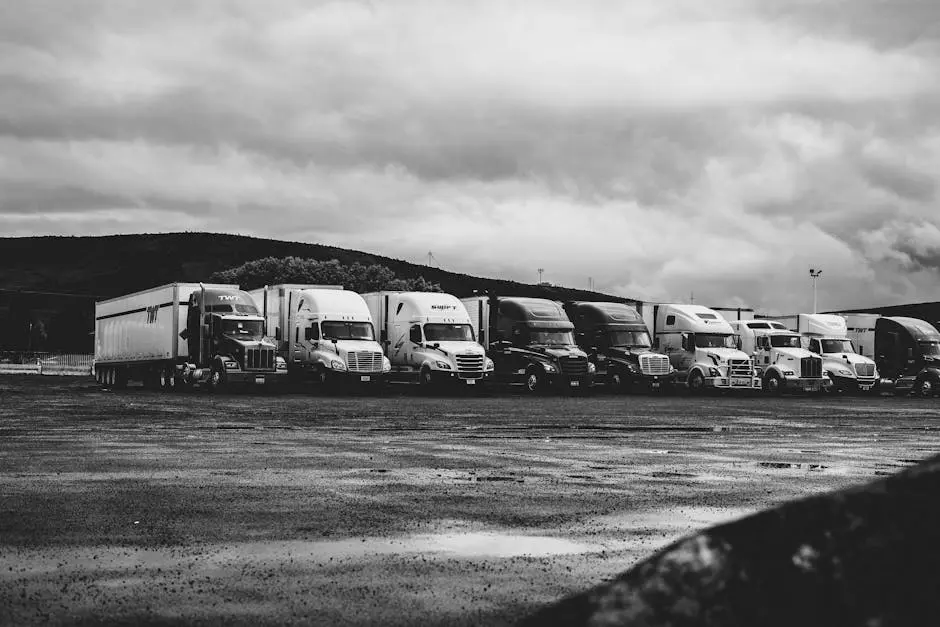
Big rig towing can seem daunting and complicated, but it doesn’t have to be. Whether you’re a truck driver, fleet manager, or just curious, we’ve crafted a list of the most frequently asked questions about big rig towing to put your mind at ease. Let’s dive into the basics and some common inquiries everyone should understand.
Big rig towing refers to the process of moving large commercial vehicles, such as semi-trucks and trailers, that are unable to move independently. This form of towing is specialized, requiring heavy-duty equipment and experienced personnel to carry out the task safely and efficiently. It’s essential due to the sheer size and weight of big rigs, which can weigh tens of thousands of pounds, making them difficult to transport without the right tools and knowledge.
The importance of understanding big rig towing cannot be overstated. Whether you’re new to commercial driving or have years of experience, knowing the specifics of towing can save time and money. Towing is not just about moving a vehicle; it’s about ensuring it arrives safely at its destination without additional damage. Professional towing services are trained to consider nuances such as weight distribution and attachment points, making them indispensable for big rig operators.
You should call for big rig towing when your truck is involved in an accident, encounters mechanical failure, or if it gets stuck in difficult terrains, such as mud or snow. Promptly reaching out to a professional can prevent further damage and ensure safety. It’s not just about moving your vehicle but also about preventing additional damage that could occur if towing is attempted incorrectly.
Understanding the precise moment to call for a big rig towing service can be vital. For instance, driving with a faulty engine or struggling with a malfunctioning transmission can turn a manageable situation into a major issue. Regular inspections can help you identify potential problems early, reducing the likelihood of encountering emergencies on the road. Moreover, services like roadside assistance can also be beneficial in handling incidents promptly and efficiently.
Unlike regular car towing, big rig towing deals with much larger and heavier vehicles. It requires specialized tow trucks, equipped to handle the weight and size, as well as trained operators to execute the task safely and efficiently. The differences extend beyond equipment and expertise to include the complexity of securing heavy loads and navigating routes that accommodate oversized vehicles. This specialization is crucial to prevent road accidents and ensure legal compliance.
Additional complexities involved in big rig towing include oversized load permits and route planning to avoid roads and bridges that can’t handle heavy vehicles. Professional tow operators are often familiar with local regulations and capable of planning legally compliant routes that prioritize safety. This expertise ensures a smoother transportation process, minimizing risk to both the tow vehicle and the general public.
Not every towing company has the equipment or expertise necessary for big rig towing. It’s essential to contact a towing service that specializes in heavy-duty towing to ensure that your vehicle is handled correctly. Such companies possess the necessary equipment and trained professionals to tackle the challenging process of big rig towing.
When searching for a suitable towing service, it’s advisable to look for those specifically advertising heavy-duty towing capabilities. These services have the appropriate fleet of tow trucks and can handle your vehicle’s specific needs. Additionally, they provide peace of mind; knowing that your vehicle is in the hands of skilled and experienced operators trained to manage large commercial vehicles.
The cost of big rig towing can vary based on several factors, including the distance to be towed, the complexity of the situation, and any additional services required. It is advisable to request a quote beforehand to avoid surprises. Understanding these costs helps in budgeting and making informed decisions when services are needed.
Breakdown of costs can vary widely due to factors such as location, time of day, and the extent of task difficulty. It’s worth noting that after-hours services might incur additional charges. Being aware of these variables allows for better preparation and helps in choosing a service that offers transparent pricing. Always inquire about potential hidden fees or surcharges to manage your towing expenses effectively.
Before the towing service arrives, ensure all loose items inside the vehicle are secured. If possible, try to move the truck to a safer location to aid in the towing process. Being prepared can help expedite the towing operation. Additionally, ensure that the towing operator has all the necessary information about your vehicle and the incident to facilitate a smooth towing process.
Preparation for towing can extend to document readiness too—keeping maintenance logs and understanding your vehicle’s dimensions can be very beneficial. It’s also vital to communicate clearly with the towing service about any specific instructions or custom modifications on your vehicle which may influence towing procedures. This attention to detail can ensure that both you and your vehicle are well-prepared when towing becomes necessary.
Big rig towing presents unique challenges, such as handling extreme weights, navigating tight spaces, and dealing with treacherous terrain. These challenges underscore the importance of choosing an experienced towing service. Professionals use their knowledge to overcome obstacles such as soft shoulders or steep inclines that can complicate towing operations.
Understanding these challenges can reduce stress during a breakdown or accident scenario. For example, adverse weather conditions can exacerbate towing difficulties, requiring special techniques and equipment. The significance of weather-appropriate planning cannot be stressed enough as it directly impacts the safety and success of the towing process.
When selecting a towing service, look for companies with strong reviews, industry certifications, and a history of handling similar jobs successfully. The ability to respond quickly and communicate effectively is also invaluable. These qualities ensure that you are entrusting your vehicle to professionals capable of executing the job with precision and care.
Furthermore, seek companies that offer 24⁄7 availability to accommodate unforeseen troubles at any hour. Prioritizing this aspect ensures you’re never left stranded during emergencies. A good towing service will also provide clear communication about estimated arrival times and costs, making them a reliable partner in times of need.
Check with your insurance provider to confirm if your policy includes coverage for towing. Many commercial vehicle insurance plans offer towing and roadside assistance, which can help manage costs involved in unexpected situations. Understanding the details of your policy can prevent unforeseen expenses and facilitate a smoother towing experience.
Insurance coverage can vary, so it’s critical to familiarize yourself with what is specifically included in your policy’s roadside assistance services. This knowledge can provide peace of mind and ensure that you’re not caught off guard by additional costs in an emergency. Consulting with your insurance agent can clarify any ambiguities and ensure comprehensive coverage when it’s most needed.
GPS technology assists towing services in reaching the location efficiently and ensures the truck is taken to the designated repair shop or depot. It also helps in tracking the vehicle’s journey for added peace of mind. This technology is invaluable for route planning and minimizing delays during the towing process.
The integration of advanced GPS systems in towing vehicles enhances communication and coordination between the driver and the towing service. This synergy ensures prompt and correct navigation, minimizing operational time and increasing safety during transport. Understanding this component highlights how modern technology optimizes the towing experience.
While generally safe when done by professionals, towing can still affect your rig, particularly if done improperly. Proper lifting, attachment, and transport techniques are crucial to avoid damage during towing. Familiarizing yourself with proper procedures ensures that you can oversee the towing process effectively, safeguarding your investment.
Potential damages from improper towing practices range from minor dings to significant frame distortions. Utilizing professional services mitigates these risks, ensuring lifting gear is properly anchored and following manufacturer specifications for your rig. Awareness of these aspects helps in selecting the right towing service for your needs.
Regular maintenance and inspections can significantly reduce the risk of breakdowns. Addressing mechanical issues promptly and keeping emergency contact numbers handy ensures quick action when needed. Preventive care for your vehicle contributes significantly to minimizing downtime and promotes a seamless operation.
Incorporating scheduled checks for key components such as engine health, tire status, and brake systems can preempt the need for urgent towing services. This routine vigilance fosters a safer driving experience, reducing unexpected costs and improving the longevity of your big rig. It is always wise to ensure that your vehicle is road-ready and resilient against common breakdown causes.