- October 31, 2025
- By
- In Uncategorized
- 96
- 0

Driving is a part of daily life for many, bringing us freedom, convenience, and adventure. However, it also comes with responsibilities and a need for awareness, especially regarding accidents. Being prepared can make all the difference, ensuring safety and composure in stressful situations.
Accidents can happen to anyone, regardless of experience or caution on the road. Knowing the steps to take can mitigate stress and improve outcomes for everyone involved. Let’s explore why being prepared is essential.
It’s easy to overlook accident preparedness until you’re faced with an unexpected situation on the road. However, it’s essential for reducing the potential impact of accidents. Preparedness isn’t just about having a spare tire or a first-aid kit; it’s about understanding the mental and emotional readiness needed to respond effectively. Comprehending the complexities of accident impact can motivate drivers to take preparation seriously. Moreover, being prepared can save time, money, and even lives by ensuring that responses are swift and calculated, rather than rushed and hasty.
Moreover, practicing accident preparedness can expedite the post-accident process, from filing reports to dealing with insurance claims. Primarily, it motivates a proactive rather than reactive approach, which can potentially minimize damage. Consider it this way: if everyone on the road were prepared for the unforeseen, the overall accident response efficiency would significantly improve, reducing the chaos and confusion that often follow an accident.
Having the right tools in your car can make a huge difference in case of an accident. From first-aid kits to emergency contact information, here’s a checklist of items every driver should have on hand.
A well-stocked vehicle is a safer vehicle. First and foremost, ensure you have a comprehensive first-aid kit at your disposal. This kit should include basic emergency supplies like bandages, antiseptics, and pain relievers. Additionally, carrying a flashlight and extra batteries can prove invaluable during night time emergencies. Not to mention, a reflective triangle or flares can alert other drivers, reducing the risk of further accidents at the scene.
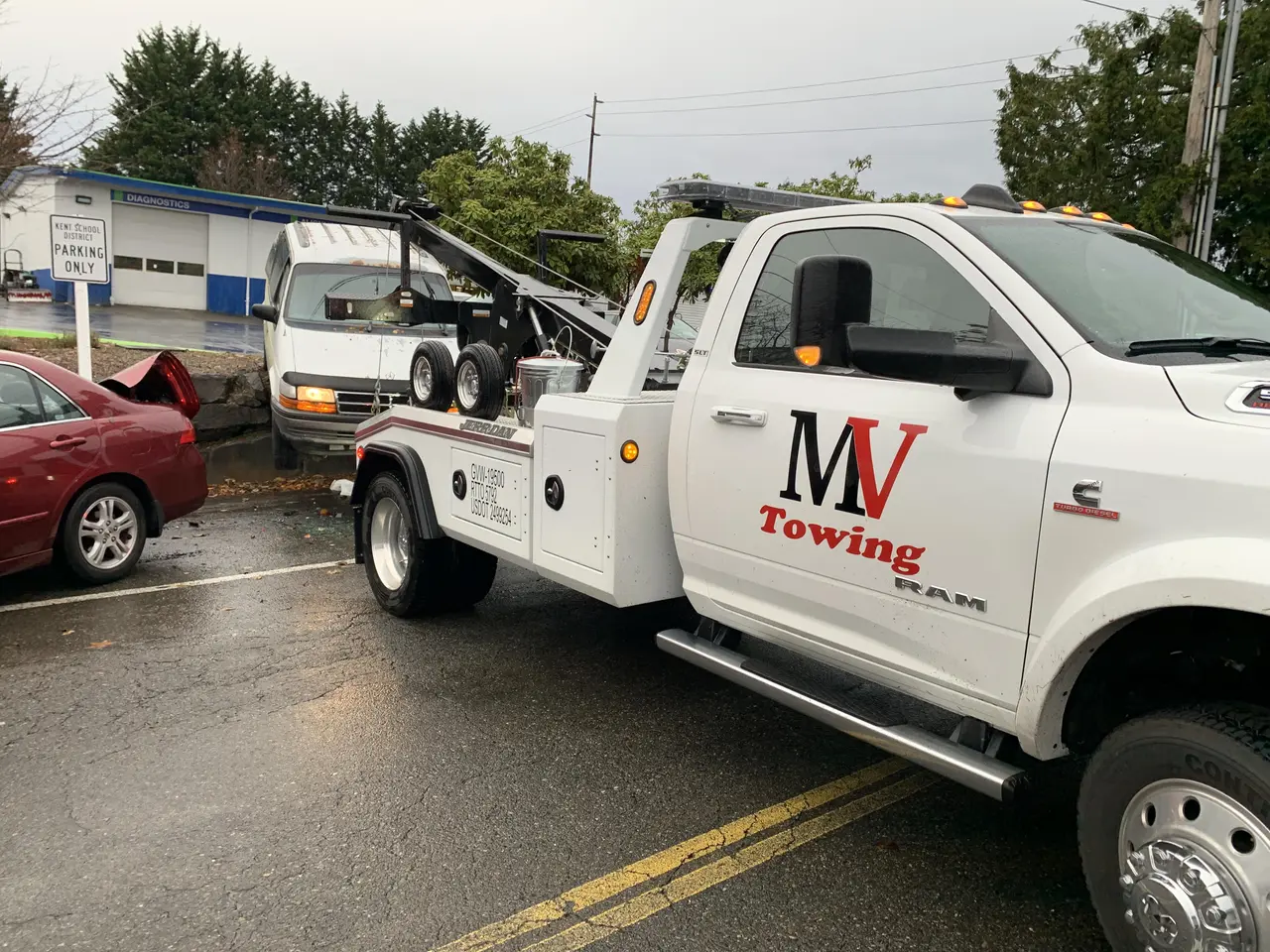
Moreover, keeping an emergency contact list that includes personal and family numbers, insurance details, and local towing services ensures you’re never left scrambling for information in urgent situations. A fire extinguisher is also a prudent inclusion, considering the risk of vehicle fire after some collisions. Remember, being prepared extends beyond just having a spare tire and jack – these items form the foundation of comprehensive preparedness, helping ensure that you’re ready to tackle various unforeseen situations effectively.
Staying calm and collected directly after an accident is crucial. Learn the step-by-step process, from checking injuries to calling for help, to ensure you’re handling the situation correctly.
The moments immediately following an accident can be bewildering. First, ensure your safety by moving your vehicle to the side of the road if possible, and turn on hazard lights to signal danger to other drivers. Once you’re out of harm’s way, evaluate injuries and call emergency services promptly if needed. It’s vital to remain calm and composed, as panicking only exacerbates the situation.
After ensuring your safety, make a point to document the scene. Taking photographs of vehicle positions, license plates, and any visible damages can serve as crucial evidence for later use. Collect information from other involved parties – this includes names, contact details, and insurance information. Additionally, look around for any potential witnesses and gather their contact information if they are willing. Remember, having an accurate account of events can make insurance claims smoother and more favorable.
Clear communication is key when dealing with other drivers and authorities after an accident. Discover the best approaches to ensure that information is accurately exchanged and documented.
Effective communication post-accident is crucial for a straightforward resolution. When speaking with the other driver, maintain a calm and factual demeanor, and avoid admitting fault or assigning blame. All conversation should be directed toward ensuring an accurate exchange of necessary information like contact and insurance details. It’s equally important to communicate with law enforcement clearly, providing factual descriptions of the incident without speculation.
When authorities are involved, offer them a clear and concise account of the accident. Providing a well-documented scene with photos and notes can substantially aid in their report. Additionally, ensuring that all parties have the information required reduces confusion and accelerates the subsequent processes. Good communication practices not only alleviate stress but can also lead to more efficient insurance claim processing.
Navigating insurance claims and legal responsibilities can be overwhelming. Here, we break down what you need to know to manage these processes smoothly and efficiently.
Filing an insurance claim following an accident can seem daunting, but understanding your rights and obligations can simplify the process. First, promptly notifying your insurance company about the accident ensures that your claim is not delayed. Provide them with a detailed report of the incident, accompanied by any evidence gathered at the scene like photos or witness statements. Understand the coverage your policy offers and the limits, ensuring you know your liabilities and what your policy can cover.
Simultaneously, acquainting yourself with state-specific legal obligations is essential. Most states require you to report any accident that involves a certain threshold of property damage or injury, so knowing whether your situation requires official filing is crucial. If the prospect of navigating insurance and legal labyrinths feels overwhelming, consulting a legal professional who specializes in traffic accidents can provide reassurance and guidance through this often complex terrain.
Accident preparedness is not just about having the right tools, but also about cultivating the correct mindset. By understanding what to do before, during, and after an accident, drivers can protect themselves and others. Stay safe on the roads, and remember that preparation is the key to managing unforeseen circumstances effectively.