
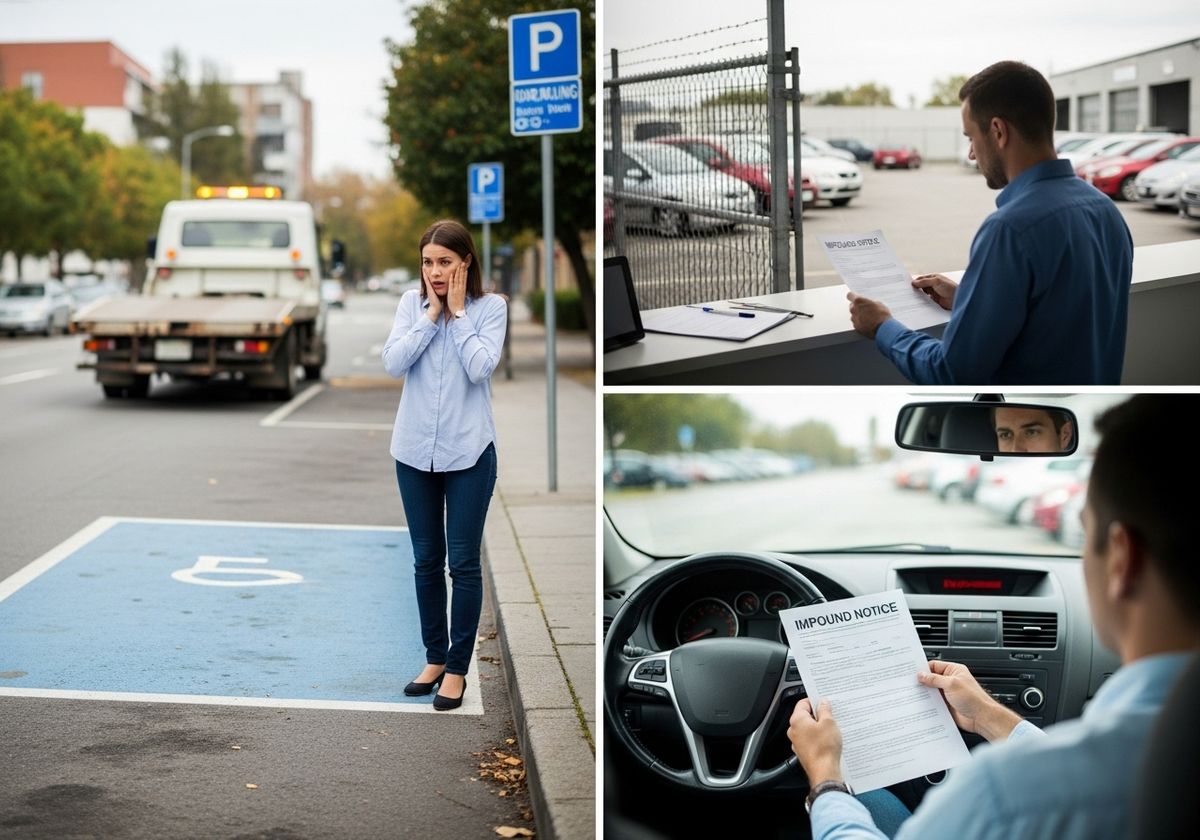
Finding your vehicle gone can be a stressful experience. Vehicle impoundment happens for various reasons, and understanding the process can help you navigate the situation more effectively. Here’s what you should do if your vehicle is impounded.
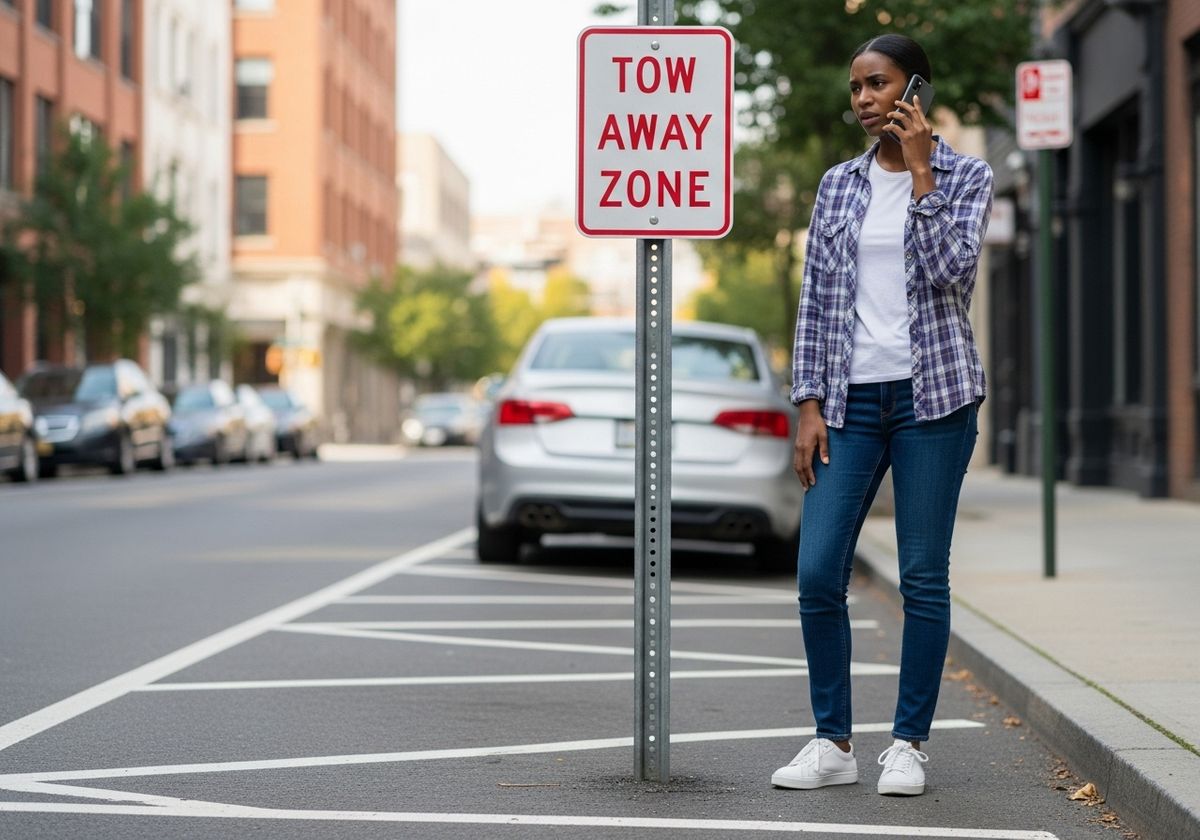
Confirm the Impound
First, verify that your vehicle was actually impounded. Check for signs indicating why the vehicle was removed and which agency or company initiated the tow. Common reasons for impoundment include parking violations, expired registration, or involvement in a legal matter. Contacting the local police department can also help confirm the impound and its location.

Identify the Impound Location
Once you've confirmed the impound, determine where your vehicle is being held. The notice left at the location where your car was parked should provide this information. If not, the police department or the towing company involved can provide the address and contact details of the impound lot.
Understand Why Your Vehicle Was Impounded
Knowing the exact reason for the impound is crucial, as it dictates the steps you'll need to take to retrieve your vehicle. Common reasons include:
Parking Violations: Parking in restricted zones (such as fire lanes or loading zones), blocking driveways, or obstructing the flow of traffic.
Unpaid Tickets: Accumulating a significant backlog of outstanding citations or failing to address fines within the legal timeframe.
Expired Registration: Operating a vehicle with tags that have lapsed beyond the allowable grace period.
Lack of Insurance: Failure to maintain valid liability coverage or inability to provide proof of insurance when stopped.
Abandoned Vehicle: Leaving a vehicle unattended on public property for longer than the local municipal limit (often 72 hours).
Gather Required Documents
To claim your vehicle, you'll typically need the following documents:
Proof of Ownership: This could be your vehicle title or registration.
Valid Driver’s License: Confirming your identity and driving privileges.
Proof of Insurance: Demonstrating that the vehicle is insured.
Payment Method: To cover towing and storage fees.
Pay All Fees
Impound lots charge fees for towing and daily storage. These fees can accumulate quickly, so it’s essential to retrieve your vehicle as soon as possible. Be prepared to pay these fees upfront. Keep detailed records of all payments, including dates, amounts, and who you paid. This documentation can be valuable if you encounter any discrepancies or need to dispute charges later.
Retrieve Your Vehicle
Once all requirements are met and fees are paid, you can retrieve your vehicle. Before leaving the impound lot, inspect your vehicle for any damage that may have occurred during the towing or storage process. Document any damage with photos and file a report with the impound lot if necessary.
Understanding the impound process and acting quickly can save you time and money. Knowing why vehicles are impounded, such as parking violations or expired registration, helps you avoid future occurrences. If you find yourself in need of reliable towing in Seattle, remember that MV Towing offers prompt personal towing and heavy-duty towing service. We also partner with local authorities for managing vehicle impounds and offer fleet towing services. Contact us today for fast, professional assistance or to learn more about how we can help you in a vehicle emergency!