

Navigating the rules of the road can sometimes feel like a maze, and one wrong turn can lead to the unpleasant experience of having your vehicle impounded. Vehicle impounds are more than just an inconvenience; they can result in significant expenses and headaches. This guide aims to provide clarity on why vehicles are impounded and, more importantly, how you can avoid such situations.
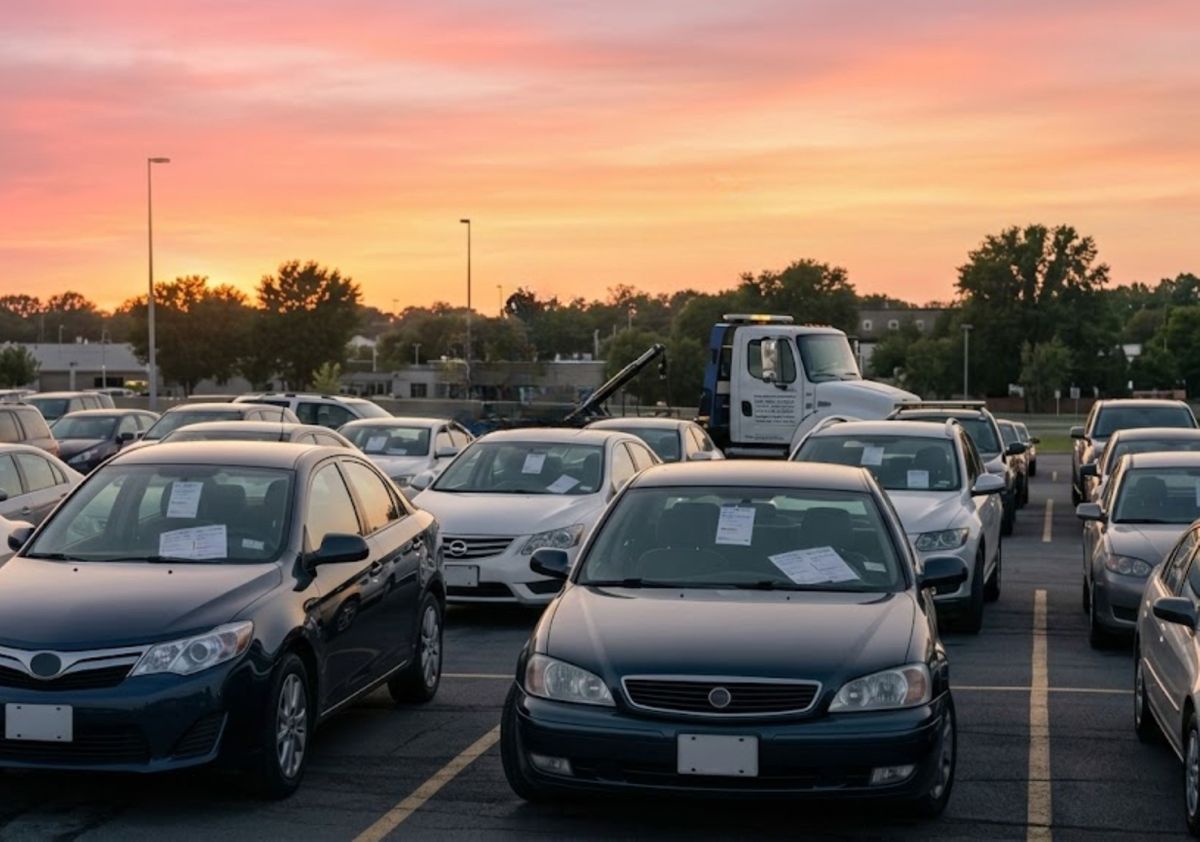
Common Reasons for Vehicle Impoundment
Several scenarios can lead to vehicle impoundment. Here are some of the most common:
Parking Violations: Illegal parking, such as blocking a fire hydrant, parking in a no-parking zone, or exceeding the time limit in a metered spot, can result in immediate impoundment, especially in densely populated areas.
Unpaid Tickets: Accumulating a large number of unpaid parking tickets or traffic violations can lead to your vehicle being impounded until the fines are settled.
Suspended or Revoked License: Driving with a suspended or revoked license is a serious offense, and vehicles are often impounded to prevent further illegal operation.
Lack of Insurance: In many jurisdictions, driving without valid insurance is grounds for impoundment. Proof of insurance must be provided to retrieve the vehicle.
Vehicle Abandonment: Leaving a vehicle unattended for an extended period, particularly on public property, can lead to it being classified as abandoned and subsequently impounded.
Suspected in a Crime: If a vehicle is involved in a crime, it may be impounded as part of the investigation.

Steps to Avoid Vehicle Impoundment
Prevention is always better than a cure. Here’s how you can minimize the risk of having your vehicle impounded:
Obey Parking Regulations: Always pay close attention to parking signs and meters. Avoid parking in restricted areas, and be mindful of time limits.
Pay Tickets Promptly: Don't let parking tickets and traffic violations pile up. Pay them as soon as possible to avoid further complications.
Maintain a Valid License: Ensure your driver's license is always current and valid. If it's suspended or revoked, do not drive until it's reinstated.
Keep Insurance Up-to-Date: Always carry proof of insurance and ensure your policy is current. Update your insurance information with the relevant authorities when necessary.
Proper Vehicle Maintenance: Keep your vehicle in good working condition. Abandoned or inoperable vehicles are more likely to be impounded.
Regularly Check for Recalls: Stay informed about any recalls affecting your vehicle and address them promptly. Unattended recall issues can sometimes lead to impoundment if the vehicle poses a safety risk.

What to Do If Your Vehicle Is Impounded
If, despite your best efforts, your vehicle is impounded, here’s what you should do:
Contact the Impound Lot: Find out which impound lot has your vehicle and contact them to understand their specific procedures and requirements for release.
Gather Required Documents: Typically, you’ll need to provide proof of ownership (vehicle registration), a valid driver's license, and proof of insurance.
Pay All Fees: Be prepared to pay impound fees, storage fees, and any outstanding fines or tickets. Fees can accumulate quickly, so act promptly.
Retrieve Your Vehicle: Once you've met all the requirements and paid the necessary fees, you can retrieve your vehicle. Inspect it for any damage that may have occurred while in impound.
Understanding the reasons behind vehicle impoundment and taking proactive steps to avoid them can save you considerable time, money, and stress. By staying informed and responsible, you can keep your vehicle safely on the road. Should you ever find yourself in need of assistance due to unforeseen circumstances, remember that MV Towing offers reliable personal towing and heavy-duty towing service in Seattle. We're here to help you get back on track. Contact us for prompt and professional towing or fleet towing services after vehicle impounds. We also provide services for vehicle impounds and can even provide a heavy-duty towing service if needed!