- August 8, 2025
- By
- In Uncategorized
- 242
- 0
Heavy duty towing can seem intimidating if you’re new to the field, but understanding its basics can make it less daunting. In this blog, we will explore the fundamentals of heavy duty towing, making it easy for you to grasp the essential concepts.
Heavy duty towing refers to the process of transporting large and heavy vehicles, often requiring specialized equipment and expertise. It is vital in situations involving broken-down trucks, buses, or other large vehicles that cannot be moved using ordinary towing methods.
The complexity of heavy duty towing arises from the sheer size and weight of the vehicles involved. Unlike standard towing, which deals with passenger cars and small trucks, heavy duty towing demands a greater understanding of mechanical principles and structural integrity. This is because the forces at play are significantly larger, requiring not just more substantial equipment, but also a meticulous approach to ensure everything is executed safely and efficiently. For instance, the towing equipment itself must be robust enough to pull substantial weight without risking injury or damage.
Not all vehicles require heavy duty towing. Typically, large commercial vehicles like semis, buses, RVs, and construction equipment fall under this category. Understanding which vehicles need heavy duty towing can ensure the appropriate measures are taken.
It’s essential to recognize the differences in vehicle requirements to properly address towing needs. For example, a semi-truck will require different towing techniques compared to a large RV due to varying structural designs and weight distribution. Each type of vehicle presents unique challenges; therefore, the selected towing methods and equipment must align with the specific vehicle type to safely execute the tow without causing damage to the vehicle or road infrastructure.
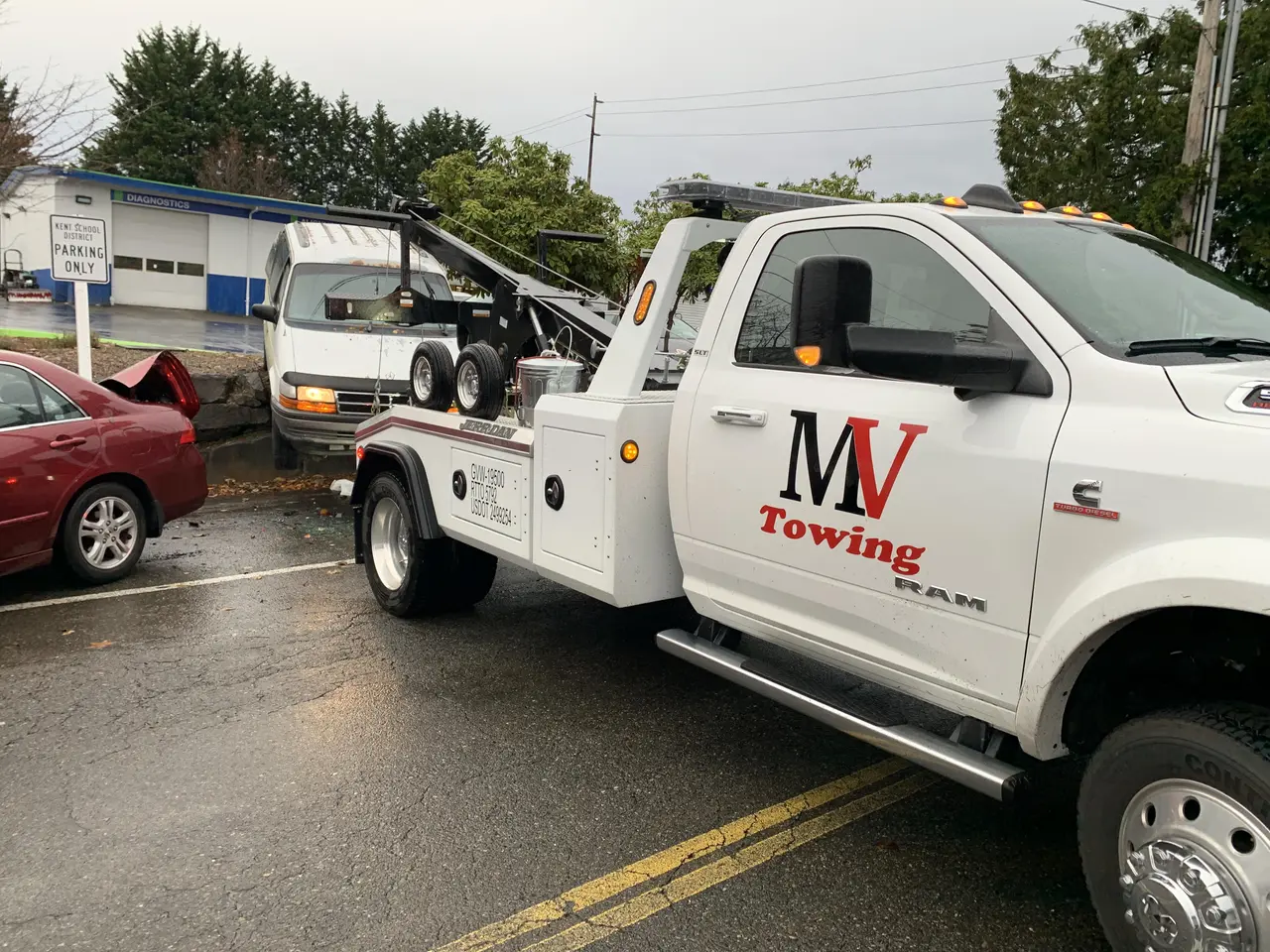
Specialized equipment is necessary to handle the weight and size of large vehicles. This includes heavy duty tow trucks, winches, chains, and other tools designed to ensure safe and efficient towing.
Heavy duty tow trucks are at the heart of these operations. Built with enhanced strength and stability, they can manage even the heaviest loads with ease. Complementary tools, like winches and chains, offer additional support and flexibility. Winches provide the pulling power necessary to lift or drag a heavy vehicle, while heavy-duty chains secure the vehicle and ensure it remains stable throughout transportation. All this equipment must be maintained regularly to prevent failure during critical towing operations, underscoring the importance of using trusted towing services that prioritize equipment upkeep.
Equally important is the operator’s familiarity with these tools. It’s not just about having the right equipment but also about using it appropriately. Operators need to be trained to understand load ratings, secure vehicle attachment points, and the towing dynamics of different terrains. This combination of the right tools and skilled operators ensures that heavy duty towing is performed accurately and safely, minimizing risk and maximizing efficiency.
Safety is paramount in heavy duty towing. Operators must be well-trained and knowledgeable about the risks involved, such as managing the vehicle’s weight, ensuring secure attachment, and adhering to road safety regulations.
One of the critical aspects of safety in heavy duty towing is understanding load balance. Proper load distribution can prevent the towing vehicle from tipping over, which becomes particularly crucial when navigating corners or driving in adverse weather conditions. Additionally, securing the load with high-quality straps and chains is fundamental in maintaining stability. When these elements are harmonized, they significantly enhance the safety not only for the individuals involved but for other road users as well.
Regular training programs are essential to keep operators skilled and informed about the latest safety standards. These programs often include simulations and active scenarios, allowing operators to practice handling emergencies, such as mechanical failures or unexpected road obstructions. By being prepared, operators can react promptly and correctly, further safeguarding the welfare of both the vehicle and personnel involved in the towing operation.
Selecting a reliable heavy duty towing service is crucial. Factors to consider include the service’s experience, equipment availability, response time, and reputation in handling large vehicle towing jobs effectively.
A top-notch towing service will prioritize customer satisfaction and offer timely responses, crucial for minimizing downtime and potential financial losses. Additionally, a service’s reputation is a good indicator of reliability. Reviews and testimonials from previous clients can offer insights into their reliability and effectiveness.
Arming yourself with knowledge about heavy duty towing’s essentials can greatly enhance your confidence and effectiveness in handling towing tasks. With this understanding, you can approach any heavy duty towing situation with assurance and expertise.