- October 19, 2026
- By
- In Uncategorized
- 45
- 0
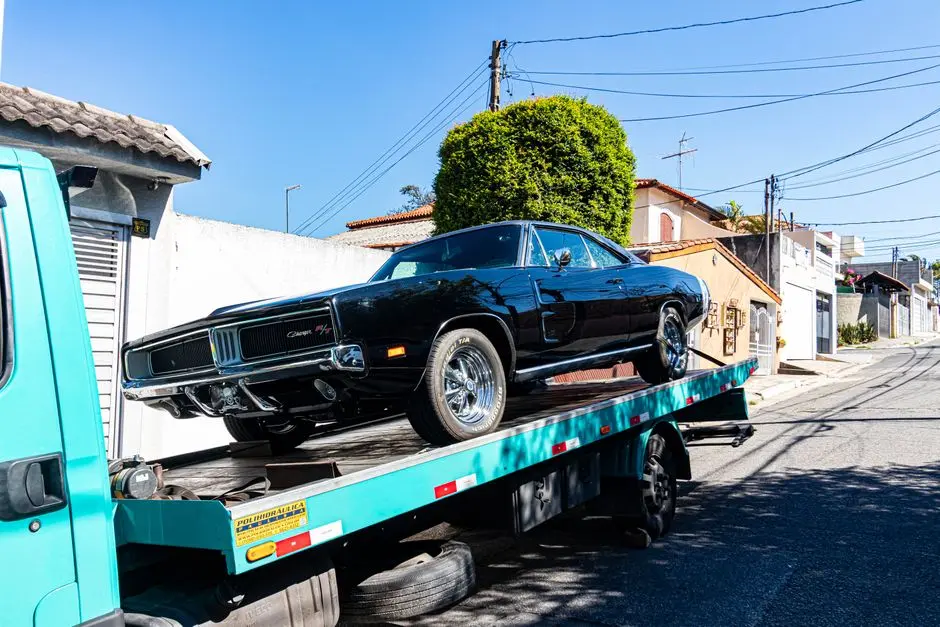
Car winching can be a lifesaver when you’re stuck and need assistance. However, understanding the process and knowing what to avoid is crucial to ensure everything goes smoothly. Here are common mistakes to steer clear of when you’re in need of car winching services.
Attempting to handle winching on your own can be risky. It’s best to rely on professionals who have the right tools and knowledge for the job.
One of the primary reasons to opt for professional help is the expertise and equipment that professionals bring to the table. Winching might seem like a straightforward task, but it requires detailed know-how about different terrains, weather conditions, and equipment handling. Professionals are trained to handle these variables efficiently, ensuring your vehicle’s safety and minimizing the risk of further damage. When dealing with complicated situations, such as winching a vehicle out of a ditch or mud, having someone experienced guarantees that the right techniques and tools are used. This can significantly reduce stress and ensure a smooth recovery.
Safety should always be the top priority during winching. Make sure the area is clear, and everyone is at a safe distance to avoid injuries.
It’s easy to get caught up in the urgency of needing your car recovered and overlook essential safety measures. However, ensuring a safe winching operation starts from understanding the dynamics involved in the process. For instance, inspecting the winch cable for wear and tear at regular intervals and ensuring it’s aligned properly can prevent accidents. Users should never stand beside or directly behind a tensioned rope. Instead, they should maintain a safe distance or find suitable cover if possible. These precautions, though seemingly minor, can be critical in preventing injuries or further damage.
Understanding your vehicle’s weight and towing capacity is essential. This helps ensure that the winching process won’t cause damage to your car.
Vehicles vary in their build and design, which means towing capacities can differ significantly from one model to another. For example, the optimal winching solution for a small sedan will be vastly different from that of a robust SUV. Knowing the gross weight and making sure the winching equipment can handle it is not just about efficiency but safety as well. Overloading the winch can cause the line to snap, posing severe hazards. Thus, conveying accurate information about your vehicle to the winching service ensures they come prepared with the right tools.
Communication is key. Clearly explain your situation to the winching service provider to ensure they come prepared with the right equipment.
The effectiveness of a winching operation often hinges on clear communication. Conveying essential details such as your vehicle’s condition, the type of terrain, and any environmental obstacles helps providers assess what equipment and techniques they need to use. According to the AAA towing manual, detailed information allows service providers to tailor their approach, which can be the difference between a smooth retrieval and a lengthy ordeal. So, give them a detailed run-down of your predicament. It might even help to send pictures if feasible, as visuals can paint a clearer picture than words alone.
Before winching, evaluate the terrain to determine the best approach. This can help prevent further complications or getting stuck again.
When assessing the location of your stuck vehicle, pay close attention to surrounding hazards that might make the winching process challenging. Factors such as slopes, debris, and proximity to roadside cliffs or rivers can dramatically impact the process. Readers might benefit from guidelines offered in the off-road recovery practices. By addressing these geographical elements ahead of time and sharing this information with the winching team, you’ll facilitate a smoother, more calculated recovery and avert the risk of relocating the vehicle to another precarious position.
Weather and ground conditions can significantly affect the winching process. Be aware of these factors and discuss them with the professionals.
Extreme weather events such as heavy rain or snow can complicate the recovery process significantly. Muddy or icy surfaces make it hard to maintain traction and stability. Vehicle owners need to anticipate these conditions by relaying them to the winching service early on. Following insights from the National Safety Council for driving in various weather conditions is invaluable. Understanding how temperature and precipitation impact the winching tactic used can also inform the choice of equipment, such as whether a steel cable or synthetic rope is better suited for the situation.
Ensure the winching service uses appropriate equipment for your vehicle type and model. This prevents potential damage and ensures a successful recovery.
Different vehicles require different types of winching setups. The disparity between winches designed for four-wheel-drive vehicles versus standard sedans highlights the importance of getting the right kit. Verification that the equipment meets weight and tension specifications is critical because mismatched equipment can exacerbate damage. As stated in vehicle recovery tools guide, using properly rated components like snatch blocks and recovery points can optimize the efficacy of the recovery procedure.
Prepare your vehicle by shifting to neutral and checking for any additional support needed. Proper preparation can streamline the winching process.
Before the winching begins, taking simple preparatory steps can mark the difference between success and failure. Make sure to remove any loose items both in and around the car that could interfere with the operation. Additionally, confirming the working order of the parking brake and transmission contributes to vehicle stability during towing. These preparative tactics match insights from the vehicle recovery best practices, ensuring a comprehensive approach to making the winching as smooth as possible.