- August 24, 2026
- By
- In Uncategorized
- 49
- 0
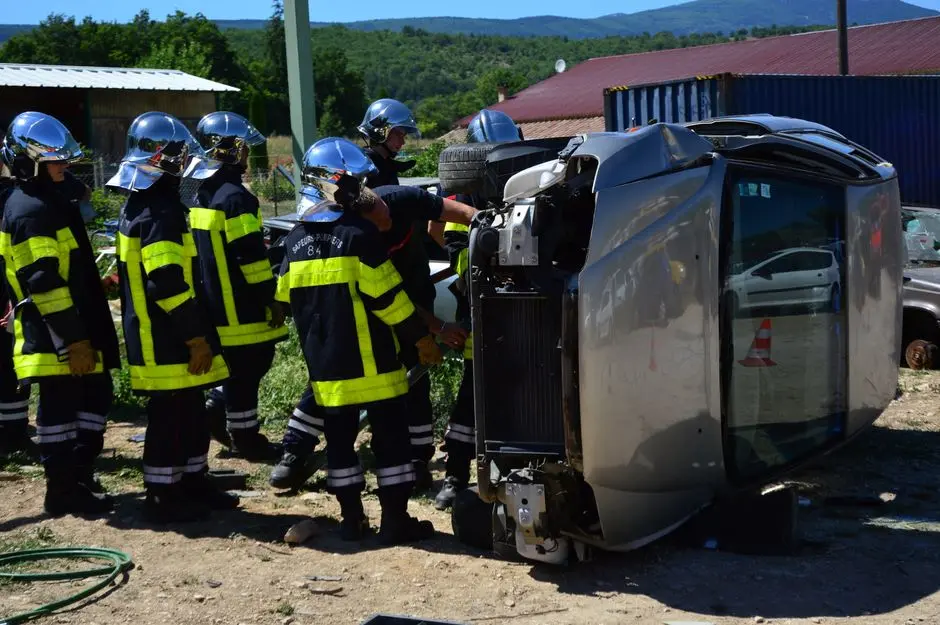
In the immediate aftermath of a collision, emotions can run high and the situation may feel overwhelming. Remaining calm and knowing what steps to take can make a significant difference in ensuring your safety and handling the incident smoothly. This guide will walk you through the necessary actions to take after a collision, helping you to maintain composure and protect yourself effectively.
The first thing to do after a collision is to assess your immediate surroundings. Check if anyone is injured, both in your vehicle and others involved. Safety is paramount; hence, ensure you’re out of further danger. If possible, move to a safe location out of traffic to prevent additional accidents. This isn’t always possible, but even turning on your vehicle’s hazard lights can alert others to approach with caution. It’s essential to stay composed during this initial assessment as it sets the stage for every action that follows.
In the midst of confusion, make sure you’re prioritizing your and others’ health over everything else. Look around to see if any hazardous conditions exist, such as leaking fuel or sparks, which could lead to a fire. Be mindful of other drivers as they try to navigate around the scene. Evaluating whether it’s safe to stay inside the vehicle or exit can depend greatly on your environment, like weather conditions or traffic speed.
While it might be tempting to immediately inspect damage to your vehicle, your first priority should always be safety. Ensure all parties are out of harm’s way and that emergency services are contacted if necessary. It’s also important to discuss with the other driver in a composed manner to assess everyone’s conditions, while avoiding discussing fault.
Once everyone is confirmed to be safe, you can gather information. Taking a moment to breathe and clear your mind helps prevent snapping at others, which can provoke unnecessary arguments. Your vehicle can be repaired; however, ensuring everyone is unscathed is the true priority.
Staying calm is crucial. Take a deep breath and avoid escalating the situation with raised voices or panic. A calm demeanor helps in thinking clearly and communicating effectively with others involved and responders. Rushing decisions or lashing out might cause additional stress, potentially leading to more complications.
By maintaining a level head, you show stability to anyone involved. This is critical, as it sets the tone for how others may react to the situation. Remember, acting with clarity can often resolve tense situations more swiftly than reacting impulsively.
Use your phone to take pictures of the scene from various angles, documenting any damage to vehicles and relevant details. Collect visual evidence of the environment, such as skid marks or road signs. These details can be invaluable for insurance claims and legal reporting later.
Exchange contact and insurance information with the other party involved while being polite and concise. Don’t forget to gather any witness statements if the opportunity arises. The key here is thoroughness—any small detail could be critical later.
Remaining thorough yet efficient is your best approach. Avoid complicating the scene by overthinking the documentation; focus instead on clarity and completeness.
Depending on the severity of the collision, it may be necessary to contact the police. Having an official report can be valuable when dealing with insurance claims and potential legal matters. In some situations, a police report is required by law depending on your location and the accident’s circumstances.
Police can assist in directing traffic, keeping the scene secure, and ensuring that all necessary information is properly recorded. Their involvement often helps mediate disputes over fault and provides an unbiased account of the incident.
After ensuring everyone’s safety and documenting the incident, don’t forget to take care of yourself. It’s normal to feel shaken, so take some time to relax and process the event once you’re in a safe place. Give yourself permission to recover mentally, as well as physically.
Seek medical attention if you experience any pain or disorientation. Stress can sometimes mask injury symptoms initially. Engaging in calming activities post-incident can be beneficial, such as listening to music or calling a friend to discuss what happened, providing an emotional release and assurance that you’re safe.
Experiencing a collision can be a stressful event, but by staying calm and following the outlined steps, you can manage the situation safely and effectively. Remember, your primary concern should be your safety and health. Proper documentation and a clear head will also aid in dealing with the consequences of a collision. Stay informed and prepared, and you’ll be better equipped to handle such unexpected events. If you’re looking for professional help or towing services after an accident, visit our homepage for more details.