- August 7, 2026
- By
- In Uncategorized
- 68
- 0
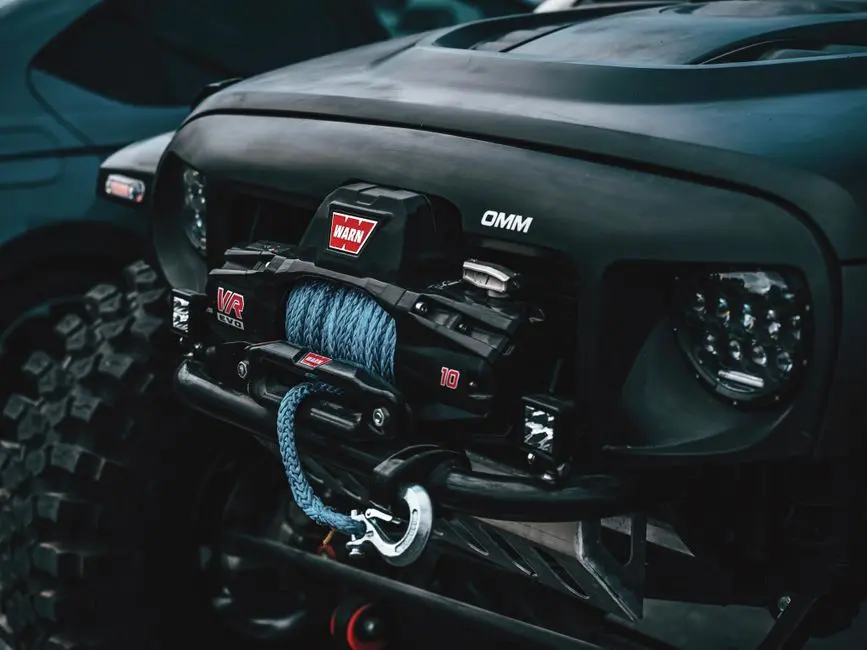
Car winching can be a lifesaver, but it’s essential to approach it with the right knowledge to ensure safety and efficiency. Whether you’re off-roading or simply need to get out of a tricky situation, these tips will help you manage car winching like a pro.
Before you start winching, it’s crucial to understand the specifications and capabilities of your winch. Knowing the load capacity and features of your equipment can prevent unexpected mishaps. A common mistake is overloading the winch, which might not only damage your equipment but also put you in a hazardous situation if the winch fails at a critical moment. Ensure that your winch is suitable for your vehicle’s weight and the type of environment you will be winching in.
Beyond capacity, familiarize yourself with the specific controls and functionalities of your winch. Each model can vary slightly, so it’s paramount to read the manual carefully. This includes understanding the difference between the gears and knowing when to use each one to maximize efficiency and safety. Taking a few minutes to acquaint yourself with the controls can save time and prevent accidents.
Choosing a strong, stable anchor point is vital. Avoid weak or dead trees, which could break under pressure. Instead, opt for a sturdy tree or rock that can support the weight of your vehicle. The anchor point you select can dramatically affect the success of the recovery operation. It’s not just about finding a point that appears strong; understanding the soil types and how they interact with the anchor objects is equally important.
Tree straps are essential for protecting the environment and providing a solid support point. Wrap the tree strap around the anchor and secure it properly to ensure a safe winching process. Be cautious about not damaging the tree, as this not only harms the environment but can also weaken your anchor point. It is wise to use a wide strap that distributes load evenly. Using a correct tree-hugging technique is as much about ensuring your safety as it is about maintaining the ecological balance.
Inspect your winch cable or rope for signs of wear and tear. Regular maintenance and replacing damaged cables are crucial for safety during winching operations. Look for frays, corrosion, and other signs of damage that might compromise the integrity of the cable. Both steel and synthetic ropes have their advantages and vulnerabilities, so choose what best suits your winching needs.
A snatch block can significantly increase your winching power by changing the direction of the pull. Understanding how to set it up properly can enhance your winching efficiency. It’s not just about how you position the snatch block; it’s about understanding how it interacts with the other elements of your winching kit. Properly using a snatch block can effectively double the pulling capacity of your winch, but if done incorrectly, it can add unnecessary stress to your equipment.
Maintaining a straight pull with your winch cable reduces the chance of damage to your vehicle and equipment. Ensure you’re always winching at a safe and appropriate angle. A diagonal pull can place unbearable stress on the cable and the winch, leading to dangerous situations if any component fails. Safety isn’t just about the equipment condition but also about executing techniques in a way that avoids placing undue stress on any part of your winch system.
Clear communication with anyone assisting you during the winching process is key. A simple set of signals or radios can prevent accidents and make the operation seamless. Non-verbal signals can be particularly useful in noisy or chaotic environments. Ensure everyone involved is familiar with the signals or radio protocol to maintain an effective workflow.
Accessories like gloves, winch covers, and damping blankets can provide additional safety and prolong the life of your equipment. Learn which accessories are must-haves for your kit. Protective gloves will keep your hands safe from cable splinters, while damping blankets help to suppress cable rebound in case of a break. A well-rounded kit isn’t complete without these essentials.
Understanding common mistakes like overloading your winch or not using a dampener can help you avoid costly repairs and ensure a smooth operation. Misjudging the weight of your load or improperly securing clamps can lead to dangerous snaps or winch failures. Awareness and proper implementation of safety checks before and during use will ensure that your winching practices are spot on.
Regularly inspect and maintain your winching equipment to ensure it’s always in top condition. This includes checking for rust, lubrication, and securing any loose parts. Without proper maintenance, even the most robust winch can fail during critical times, leaving you in sticky situations. Creating a checklist or using a maintenance guide will help keep your equipment reliable.