- July 24, 2026
- By
- In Uncategorized
- 70
- 0
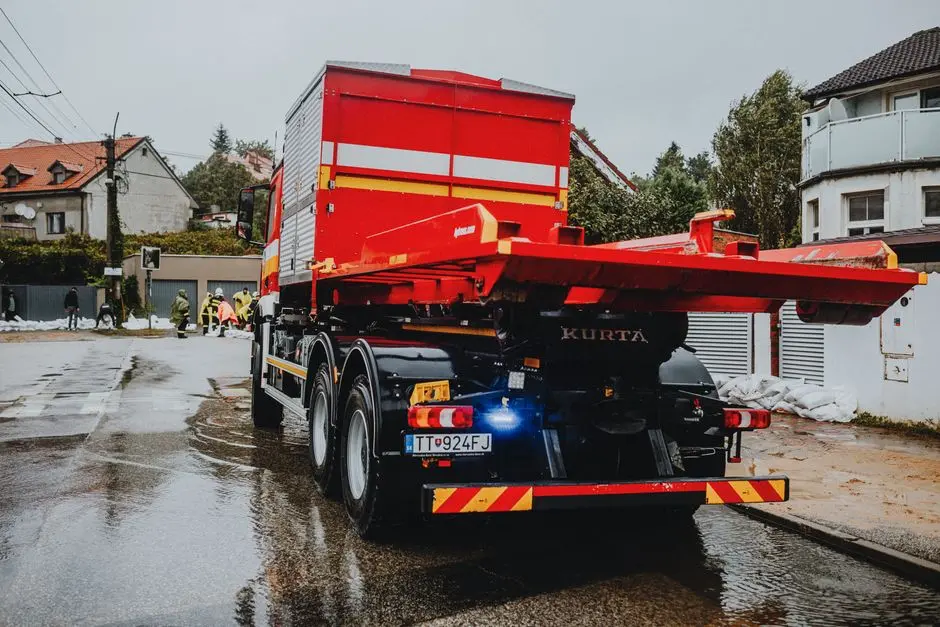
Towing might seem straightforward, but when it comes to big rig towing, it’s a different ball game. Whether you’re a driver, a fleet manager, or just curious, it’s important to understand how big rig towing sets itself apart. Let’s dive into the unique aspects that make big rig towing distinct from regular towing.
Big rigs, known for their mammoth size and weight, drastically differ from regular vehicles. Imagine a colossal machine weighing up to 80,000 pounds rolling down the highway; that’s why towing such a gigantic structure demands specialized skills and equipment.
These vehicles commonly consist of multiple axles and trailers, which complicates the towing process. Regular tow trucks lack the power and size to handle such burdens, making big rig towing a specialized service in itself.
Without the right approach, attempting to tow these behemoths can lead to further vehicular damage. It’s similar to trying to fit a square peg into a round hole; the scale here demands differently engineered solutions.
Tools of the trade for big rig towing are as impressive as the rigs they carry. From winches designed to handle substantial weight to specialized wheel lifts, the equipment utilized is equally robust and intricate.
One must realize that a simple flatbed tow truck doesn’t cut it here. Reinforced cranes, hydraulic articulations, and stabilizing pylons become vital cogs in the machinery of big rig towing.
Using inadequate or incorrect equipment isn’t just inefficient but also highly dangerous, which is why experts always emphasize the need for tailored solutions when dealing with big rigs.
Handling these gigantic machines demands exceptional precision and skill. Operators are trained in advanced techniques to manage the weight distribution and dimensions unique to big rigs.
Continuing education is crucial. Operators must keep up with advances in vehicle technology and updated towing techniques, ensuring they can handle new challenges on the road.
Experience in diverse scenarios — from tight urban environments to sprawling highways — equips professionals with the expertise required for efficient and safe towing operations.
Laws governing big rig towing are stringent, not only focusing on safety but also environmental considerations. Towing businesses must adhere to a set of comprehensive legal frameworks.
Regulations often introduce additional paperwork and documentation, underscoring the crucial balance between compliance and efficient operations. Operators aim for seamless operations while respecting road use laws and insurance prerequisites.
Big rig towing isn’t merely a technical feat; it’s also a financial consideration. The costs reflect the complexity and expertise involved. Yet it’s an investment in safeguarding your substantial asset.
Besides direct costs, there are secondary financial implications — such as road downtimes and potential penalties from regulatory bodies for improper towing — which further underline the importance of choosing the right service.
Understanding the differences between big rig towing and regular towing can help in making informed decisions. Whether it’s choosing the right towing service or knowing what to expect when you’re on the road, this knowledge is invaluable. Always prioritize safety and ensure that the towing service you opt for has the expertise and equipment necessary for dealing with big rigs. For expert services, visit our homepage.