- December 5, 2025
- By
- In Uncategorized
- 88
- 0
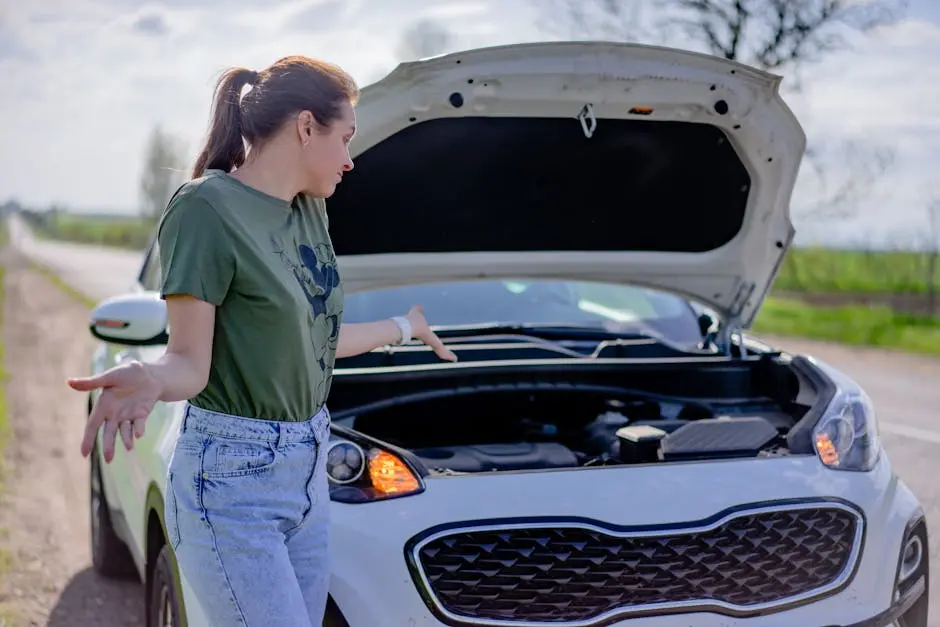
Experiencing a breakdown on the road is not only inconvenient but can also be quite stressful. But fear not! Staying safe during these unexpected situations is key. Here are some straightforward tips that will guide you through this process with ease and ensure you’re safe while waiting for help to arrive.
As soon as you notice something is wrong with your vehicle, aim to pull over to a secure and clear spot. This could be the shoulder of the road, a rest area, or any location that’s away from the flow of traffic. The most important thing here is to ensure your safety while minimizing any potential risk to others on the road. Additionally, if conditions permit, turning your car to an angle might help maximize your safety by allowing you a clearer view of oncoming traffic.
Turning on your hazard lights is crucial as it alerts other drivers of your situation. If you have reflective triangles or cones, place them behind your vehicle to enhance visibility. These items act as critical signposts, guiding others on the road to slow down and offer you the space needed to manage your situation. Remember, these measures not only protect you but also ensure that other motorists are aware that something might be amiss.
Visibility is often underestimated but plays a significant role in safety after a breakdown. In low visibility conditions, such as during the night or in fog, ensuring your vehicle is as visible as possible is imperative. Utilize additional lighting if available, such as emergency flares or LED safety flares, to further draw attention to your immobilized vehicle.
It might be tempting to exit your vehicle, but staying inside is often safer. Exiting a car on a busy road can pose significant risks, especially on highways or at night. Staying put keeps you protected from the traffic and potential hazards outside. Make sure your seatbelt is unbuckled only when it’s safe to do so, as there’s less risk of injury if an incident arises.
Once you’re safe, use your phone to call for towing assistance. Keep your conversation brief to save your phone’s battery life and ensure it’s available for further communication. If you’re unsure about who to contact, remember that highway patrols can often provide helpful guidance or even assist in reaching the necessary towing services.
Consider having a list of emergency contact numbers stored in your phone or in your vehicle. This proactive step means you’re not frantically searching for help when you’re already stressed. Handy apps are now available which offer this service by connecting you quickly to towing and roadside assistance.
Constantly be aware of your surroundings. Look for landmarks, mile markers, or any notable features which can help pinpoint your location for the towing service. Providing accurate information not only assists the towing operators but accelerates their response time, effectively minimizing the duration you’re left in an awkward or potentially dangerous position.
Additionally, this awareness helps ensure your personal safety. Being able to describe the area to a dispatcher can also aid in instructing rescue personnel on how to reach you and what safety measures they should take when approaching your vehicle.
Safety comes first. Keep your doors locked while waiting for help, and only open them for identified and trusted assistance. It might seem overly cautious but, in unfamiliar or isolated areas, it is wise to prioritize your personal security. If someone approaches offering help and you’re unsure about their intentions, it’s best to communicate with them through a cracked window.
Unexpected events can be nerve-wracking, but keeping a calm mind will help you make rational decisions. Take deep breaths and remind yourself that help is on the way. Maintaining a composed demeanor also enables you to assess your situation more accurately and avoid any hasty decisions that could compromise your safety or prolong your wait for assistance.
Stress can lead to oversight when performing critical tasks, like communicating effective details to emergency services. Use relaxation techniques, such as controlled breathing or listening to soothing music, to ease your anxiety. This will keep you level-headed during the wait.
An emergency kit can be a lifesaver during these situations. Stock it with essentials like first-aid supplies, water, non-perishable snacks, and a flashlight. Moreover, including items such as a thermal blanket and extra batteries can prove invaluable, especially in adverse weather conditions.
Regularly checking and updating your kit ensures it is ready when you need it. Be sure to replace expired items periodically. Properly maintaining a well-stocked emergency kit can mean the difference between waiting comfortably and being caught off-guard without necessary supplies.