- November 10, 2025
- By
- In Uncategorized
- 107
- 0
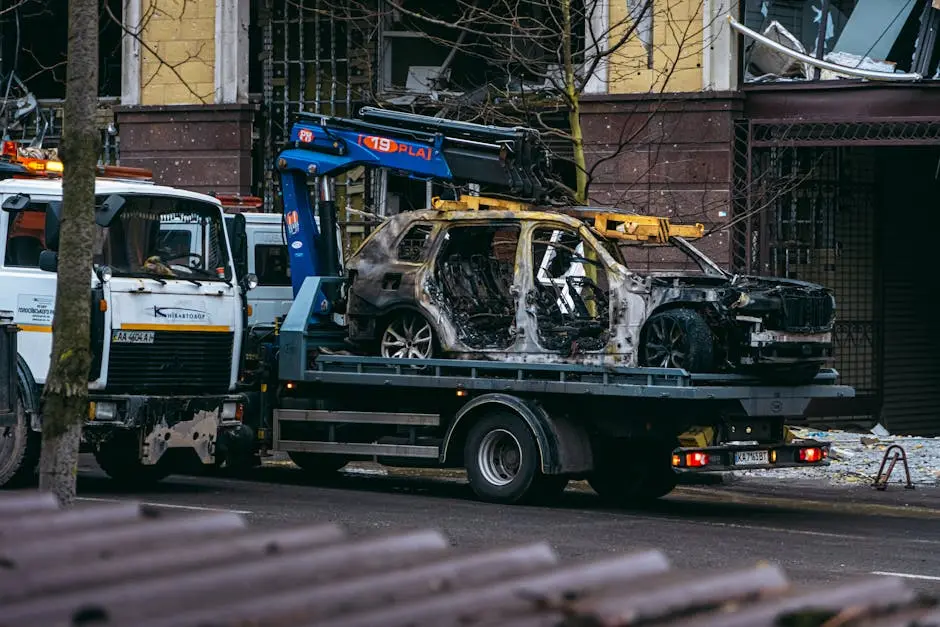
Getting into a collision can be a stressful and confusing experience. One of the immediate concerns is often what to do with your damaged vehicle. That’s where towing comes into play. This FAQ will guide you through the process of towing after a collision, making it easier to understand and navigate through this situation.
Immediately after a collision, it’s crucial to assess the situation to ensure everyone’s safety. Check for injuries and move to a safe area if possible. Ensure you turn on your hazard lights to alert other drivers.
Once in a safe spot, you can focus on evaluating the damage to all vehicles involved. This visual assessment helps in understanding the extent of the impact and whether towing is necessary.
Remember that priority is safety. If you cannot move your vehicle due to severe damage or if someone is injured, it’s best to stay put and wait for emergency services to arrive.
In many cases, it’s necessary to call the police, especially if there are significant damages or injuries. They can assist in handling the situation and may help contact towing services as part of the report process.
Police involvement not only helps in mitigating immediate threats but also ensures there is a legal record of the accident, which can be crucial for insurance and liability purposes.
You typically have a few towing options—using a roadside assistance service, calling a preferred towing company, or letting the authorities arrange it. Consider your insurance policy as some offer coverage for towing expenses.
For those with roadside assistance memberships, this can often be the quickest and most cost-effective solution. Services like AAA or those provided through your car insurance may cover or subsidize the towing costs.
In absence of such services, research and keep contact details of reliable local tow companies that you trust. This will save time and ensure that your vehicle is in good hands.
Once you’ve selected a towing option, coordinate with the towing company. Provide them with precise details about the location and any specific instructions. This facilitates a smoother process and ensures the vehicle is towed without issues.
Clear communication with the towing company is vital. Provide landmarks or nearby intersections to assist in locating you, especially if you’re in an unfamiliar area.
Inquire about pricing and the time it will take for them to arrive. Having this information upfront prevents misunderstandings and ensures there are no unexpected expenses.
The vehicle can be towed to a repair shop, your home, or a storage facility. Discuss with your insurance and towing company to determine the best place, considering costs and convenience.
It’s wise to have a specific repair shop in mind post-collision. Some insurance policies have preferred partners, potentially offering lower rates or expedient service.
Additionally, discuss storage fees if the car must be kept at the tow yard for any duration. With clarity on destination, you can better manage expenses and ensure a timely repair process.
Understanding the towing process after a collision can help ease the stress of an already challenging situation. By knowing who to call, your options for towing, and how to deal with towing companies, you can ensure that your vehicle is handled properly, giving you one less thing to worry about.