- July 18, 2025
- By
- In Uncategorized
- 159
- 0
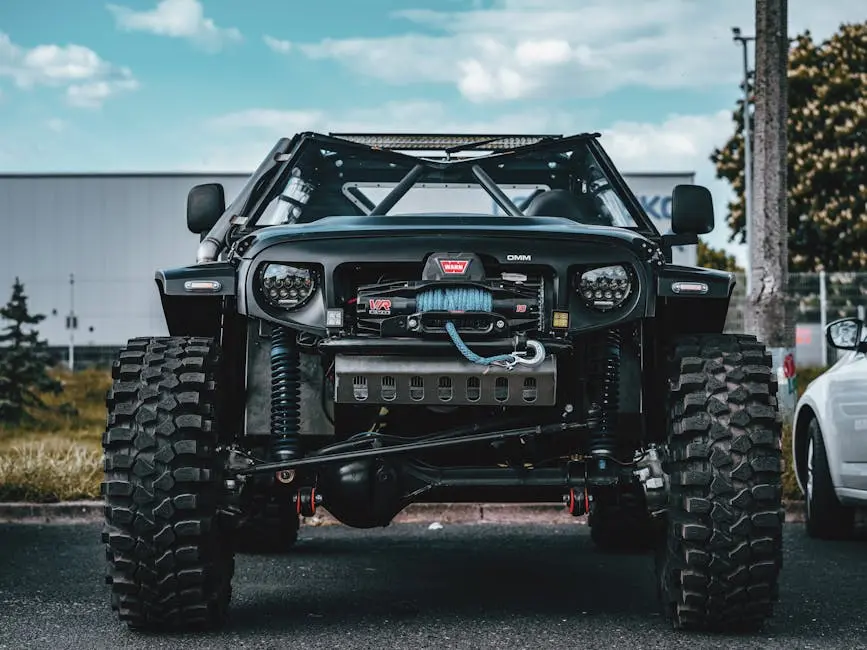
Navigating the challenges of towing large vehicles can be daunting, whether you’re dealing with an oversized truck or a full-sized bus. In this guide, we break down how heavy duty towing works to help you understand the process clearly.
Heavy duty towing refers to moving large vehicles, such as buses, trucks, and RVs, that require specialized equipment and expertise due to their size and weight. Unlike standard towing, this service is designed to handle the complexities of heavier loads. The scope of heavy duty towing includes not just the transportation of these massive vehicles, but also involves intricate planning and safety precautions.
The need for heavy duty towing arises from the logistical challenges posed by oversized vehicles. These vehicles often break down in inconvenient locations, impeding traffic or operations. Heavy duty towing ensures that these situations are handled efficiently to minimize disruptions.
Before a tow, it’s important to assess the vehicle’s condition, weight, and any special requirements. This ensures the right equipment is used and helps to plan a safe route. Assessment is the key initial step because understanding the towing needs can significantly affect the success of the operation.
Moreover, preparing for a heavy duty tow involves communication with the towing company. Providing them with detailed information about the vehicle and the nature of the breakdown can facilitate the process. It’s always wise to choose a company that has the expertise and a proven track record in handling various types of large vehicles.
Heavy duty tows require specialized equipment, such as powerful tow trucks, wheel lifts, and heavy-duty dollies, designed to handle the immense weight and dimensions of large vehicles. Each piece of equipment plays a crucial role in ensuring the towing is carried out safely and efficiently.
The heart of any heavy duty towing operation is the tow truck. These trucks are exceptionally robust, equipped with high-capacity winches and booms that can handle the weight and demands of heavy vehicles. The strength and versatility of these trucks make them indispensable in hauling anything from a city bus to a construction vehicle.
In addition to the tow truck, operators often use attachments like wheel lifts, which are instrumental in stabilizing and supporting the towed vehicle’s weight. This equipment is complemented by heavy-duty dollies, which provide added support and mobility to non-operational vehicles during the transit.
The process generally involves securing the vehicle, using the appropriate towing method, and safely transporting the vehicle to its destination. This often requires skilled operators trained in heavy towing. The first step usually involves preparing the towing equipment and ensuring it’s compatible with the vehicle’s specifications.
Once the equipment is ready, the vehicle is carefully secured using specialized attachments that minimize the risk of damage during transit. Skilled professionals monitor every step to maintain the highest safety standards. The secured vehicle is then lifted or pulled onto the tow truck platform or suitable positioning for towing.
During transit, the towing personnel must navigate various challenges, including traffic, road conditions, and legal requirements. They leverage their expertise to manage these factors and ensure the vehicle reaches its destination safely and without unnecessary delay.
Safety is paramount. This includes proper signage, lighting, and often an escort vehicle, especially if traveling over long distances or navigating through busy areas. Adhering to these precautions reduces the risk of accidents and ensures the safety of both the towing crew and other road users.
In addition to following road safety regulations, operators also conduct regular checks of their equipment to ensure everything is functioning optimally. This proactive approach is critical in maintaining the reliability and safety of the towing operations.
Moreover, training plays a vital role in safety. Towing professionals undergo rigorous training programs to familiarize themselves with different towing scenarios and best practices. This depth of knowledge allows them to respond quickly and effectively in emergencies or challenging situations.
When selecting a towing company, consider their experience, the range of equipment they have, and their reputation for handling large vehicles safely and efficiently. Opting for a company with a proven track record can provide peace of mind, knowing your vehicle is in capable hands.
Another important factor is the level of customer service they offer. Great customer service can make a significant difference, especially in stressful situations where communication and support are crucial.
Additionally, ensure the company provides detailed information on their towing process and pricing upfront. Transparent communication from the beginning can help avoid unexpected charges and ensure the company meets your expectations for the service.
Understanding the heavy duty towing process can make situations with large vehicles less stressful. From assessment to safety measures, each step is crucial for a smooth towing experience. If you ever find yourself in need of professional towing services, consider reaching out to us at our homepage for reliable and efficient support.