- June 23, 2025
- By
- In Uncategorized
- 152
- 0
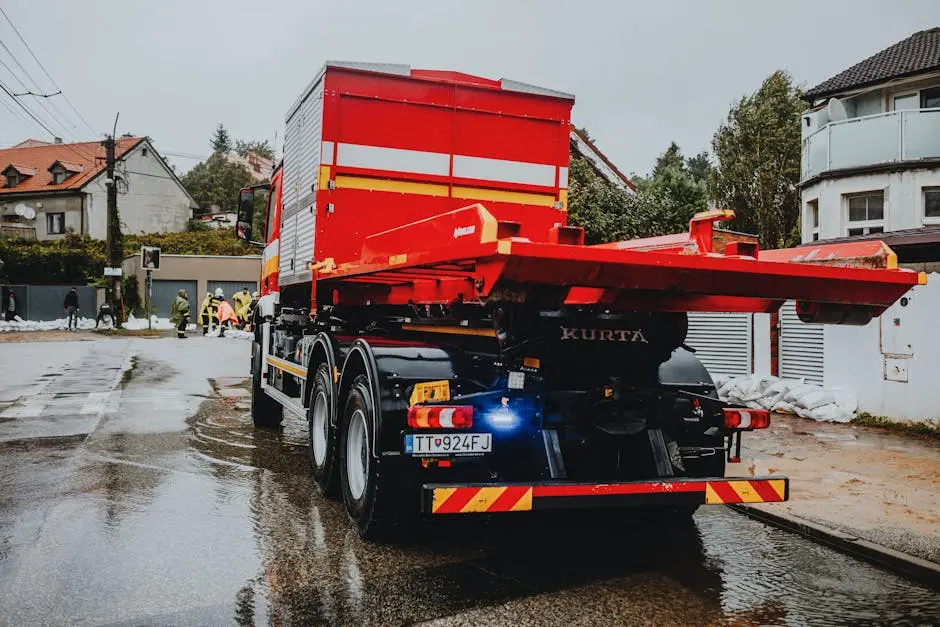
Towing a big rig is no small feat. Whether you’re an experienced driver or new to the world of big rig towing, understanding the essential tips and tricks can make your journey safer and more efficient. In this blog, we’ll dive into the must-know advice for anyone involved in big rig towing, ensuring you’re prepared for whatever the road throws your way.
Before hitting the road, it’s crucial to understand the fundamentals of towing large loads. Knowing your rig’s weight capacity and the types of trailers available are key components of safe towing. Familiarize yourself with your vehicle’s towing specifications to prevent any potential mishaps.
To start, understanding the difference between various trailer types can make a significant difference. For instance, flatbed trailers are ideal for transporting vehicles and oversized equipment due to their versatility. On the other hand, enclosed trailers provide greater protection against the elements, making them perfect for transporting sensitive goods. No matter your choice, ensuring your trailer is in top condition is essential.
Thorough preparation is essential for successful big rig towing. Conducting safety checks on your vehicle and trailer can prevent breakdowns and accidents. Make sure to inspect brakes, tires, and hitch connections before each trip. A well-maintained rig is crucial for a safe journey.
One vital safety check to include in your routine is verifying the brake systems on both the tow vehicle and the trailer. Ensure that they meet all state regulations and can accommodate the load you’re towing. Another step is conducting a thorough tire inspection. Tires should be in excellent condition, properly inflated, and without any visible signs of wear and tear. Handling these checks routinely will go a long way in ensuring your journey is both safe and efficient.
Do not overlook the importance of hitch connections. The integrity of your hitch mechanisms is non-negotiable. Always inspect coupling devices for any signs of damage or obstructions that may compromise their security. The best practice is to use a checklist that covers all vital components, ensuring nothing is left unchecked.
Having the right equipment is vital when towing a big rig. Invest in quality towing mirrors, hitch locks, and tie-downs to secure your load safely. Additionally, keep a toolkit with spare parts handy for any roadside repairs that might arise along the way.
Your toolkit should be well-stocked with essentials like jumper cables, a flashlight, and a jack, along with an array of fasteners and wrenches. In situations where you’re left stranded, having a fully charged portable jump starter can save the day. Also, consider a tire pressure gauge and a portable air compressor to handle emergency tire issues efficiently.
Don’t forget about technology; GPS systems tailored for big rigs can help you avoid restricted routes and provide real-time traffic updates. This proactive approach will save time and reduce the stress associated with navigating unfamiliar areas.
Driving a big rig requires special skills and attention. Always maintain a safe following distance and be mindful of your speed, especially when descending slopes or making turns. Use your mirrors frequently and be aware of blind spots to ensure a high level of road safety.
Slowing down is crucial when taking corners, as sharp turns can lead to tipping or losing control. When navigating slopes, use engine braking to help manage your speed. It reduces the wear on your brakes and provides better control over the vehicle.
Consistently checking blind spots is another imperative practice. Big rig drivers often face visibility challenges, so investing time in mastering the use of side mirrors will help avoid potential accidents. Remember that safety is your top priority, and keeping these tips in mind can make all the difference.
In the event of an emergency, it’s important to stay calm and collected. Whether it’s a flat tire or engine trouble, being prepared with a plan can make all the difference. Knowing how to safely pull over, and having contact information for roadside assistance, can help you handle unexpected situations confidently.
Create a checklist that outlines the steps to take during various emergencies. For instance, during a breakdown, your first step should be to safely maneuver to the side of the road and turn on your hazard lights. This alerts other drivers and minimizes the risk of further incidents.
Emergency kits can be lifesavers during critical moments. Keep items like reflective vests, warning triangles, a first aid kit, and a weather radio accessible in your cab. These tools not only improve your safety but can also expedite the troubleshooting process, making it simpler to resolve any issues.
Mastering the art of big rig towing requires skill, knowledge, and preparation. By following these essential tips and staying informed about best practices, you can ensure safer and smoother towing experiences. Remember, each trip is a learning opportunity, so take each lesson with you as you continue your journey on the open road.